
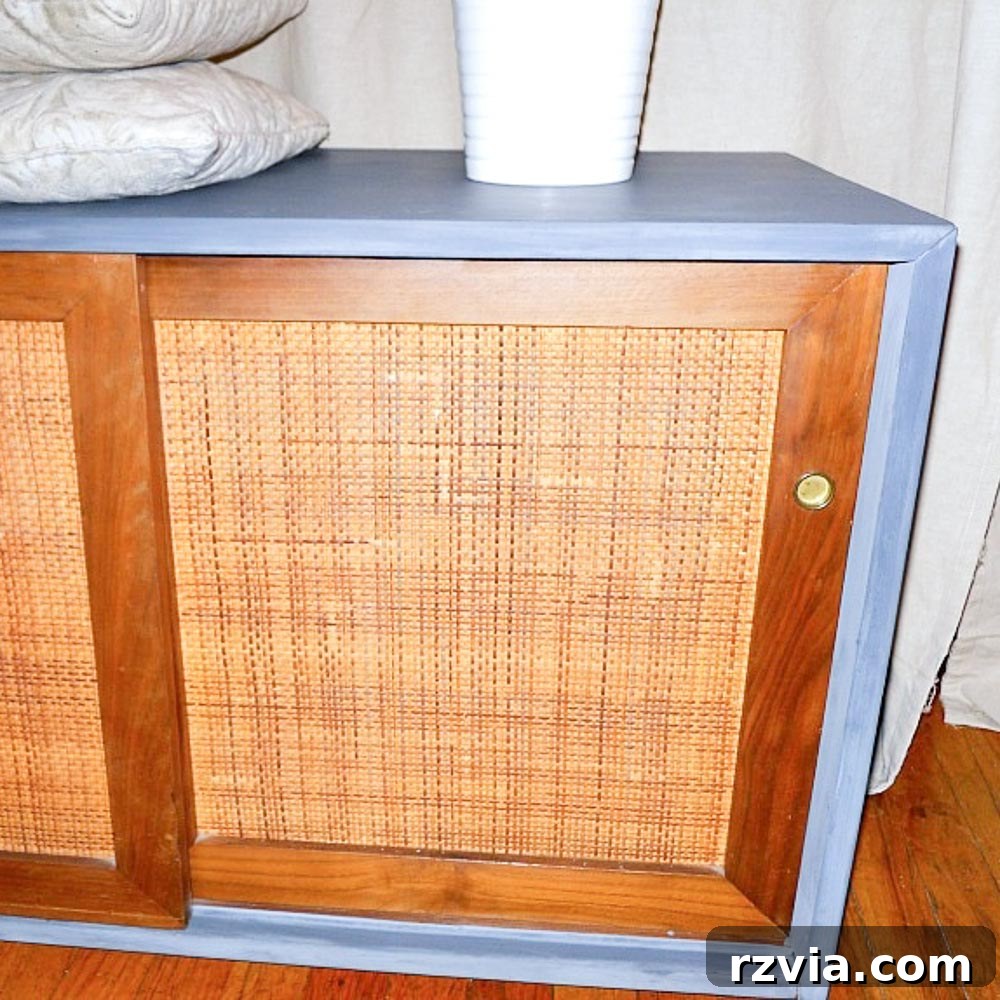
Stunning Mid-Century Modern Sideboard Makeover: A DIY Transformation with Old Fashioned Milk Paint
My recent visit to New York to see my sons offered more than just cherished family moments; it presented an exciting opportunity for a furniture makeover project! Staying with my younger son, I couldn’t help but notice the beautiful collection of Mid-Century Modern (MCM) pieces he had been accumulating. Each visit seemed to reveal another stunning addition, and on this trip, a particular MCM sideboard caught my eye. While its sleek lines and timeless design were inherently appealing, it was also calling out for a little TLC.
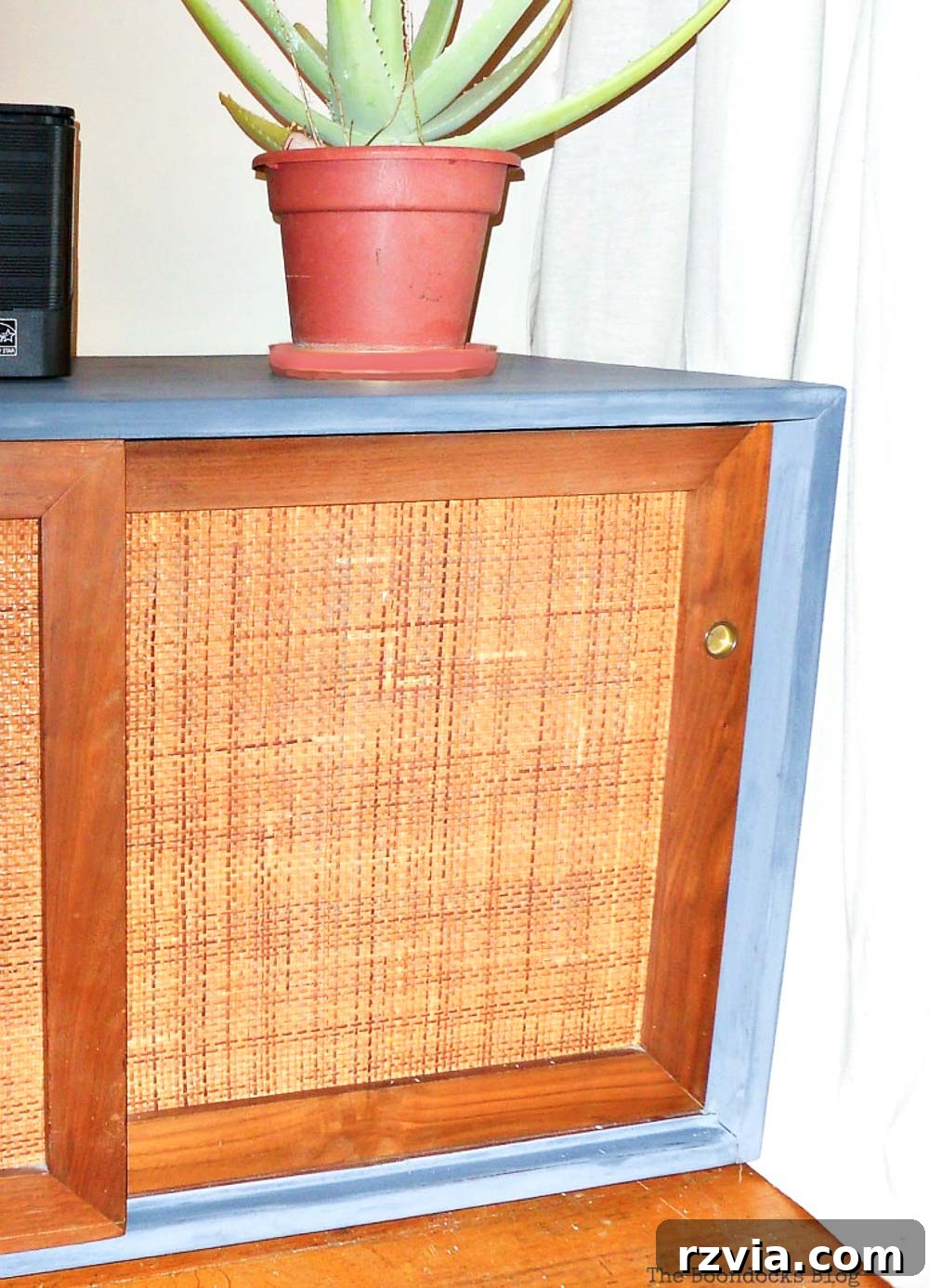
While some might imagine a leisurely New York vacation, my trip involved some rewarding hard work! With my son at work, I dedicated my days to transforming this captivating Mid-Century Modern sideboard. Today, I’m thrilled to share the complete upcycling process, featuring my absolute favorite paint for furniture projects: Old Fashioned Milk Paint. This project demonstrates how a bit of creativity and the right materials can breathe new life into a beloved vintage piece, turning it into a refreshing and functional decor statement for any home.
Disclosure: This post contains affiliate links for your shopping convenience. If you purchase any of these products through the links, we receive a small commission at no extra charge to you. You can find our full disclosure here.
The Allure of Mid-Century Modern Design and Our Project Piece
My admiration for Mid-Century Modern design runs deep. There’s an undeniable charm in its clean lines, minimalist aesthetic, and exceptional functionality, which makes MCM pieces incredibly versatile and enduring. These characteristics are precisely why I felt so fortunate to work on this particular sideboard. It embodies the era’s design philosophy – form following function with a distinct sense of style. Such pieces often become focal points in a room, adding character and a touch of vintage elegance.
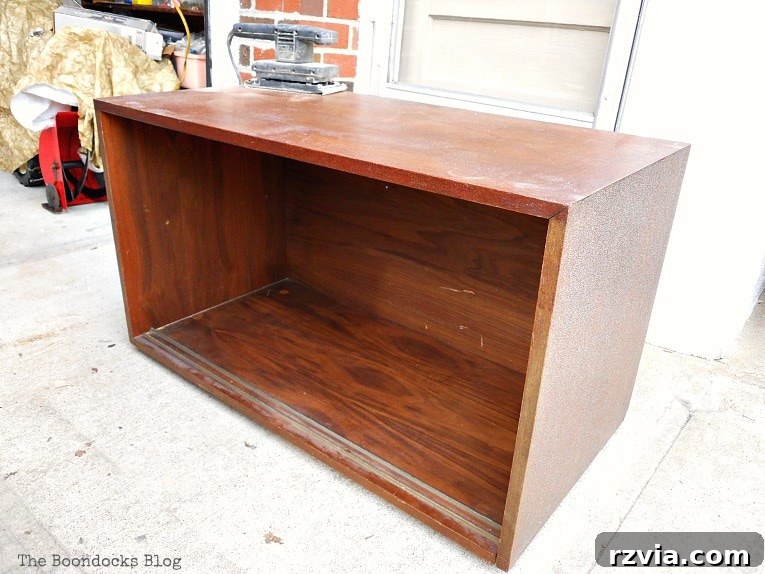
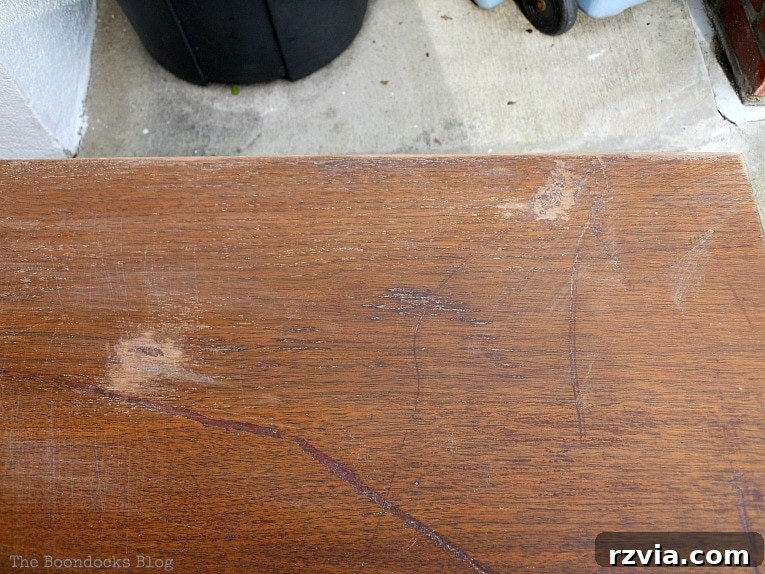
The sideboard itself was structurally sound, a testament to the quality craftsmanship of its time. However, its top surface told a different story. It was marred by numerous scratches, gashes, and signs of wear that had accumulated over decades. My initial instinct was to sand it down and restore the natural beauty of the wood, perhaps with Tung oil. I attempted some sanding, but the damage was extensive, and I quickly realized that achieving a smooth, flawless finish through sanding alone would require significant effort and potentially remove too much of the original wood veneer.
Navigating the Challenge: Time Constraints and Design Decisions
With only three days left before my flight departed from New York, time was a critical factor. A full wood restoration, involving deep sanding and multiple applications of Tung oil, simply wasn’t feasible within such a such a tight timeframe. I weighed my options: continue a painstaking sanding process with uncertain results, or embrace a transformative paint job. Given the deep imperfections, painting offered the most efficient and effective solution to conceal the severely damaged top without compromising the piece’s integrity. While a part of me wished I could showcase the wood’s inherent warmth, the practical reality dictated a different approach.
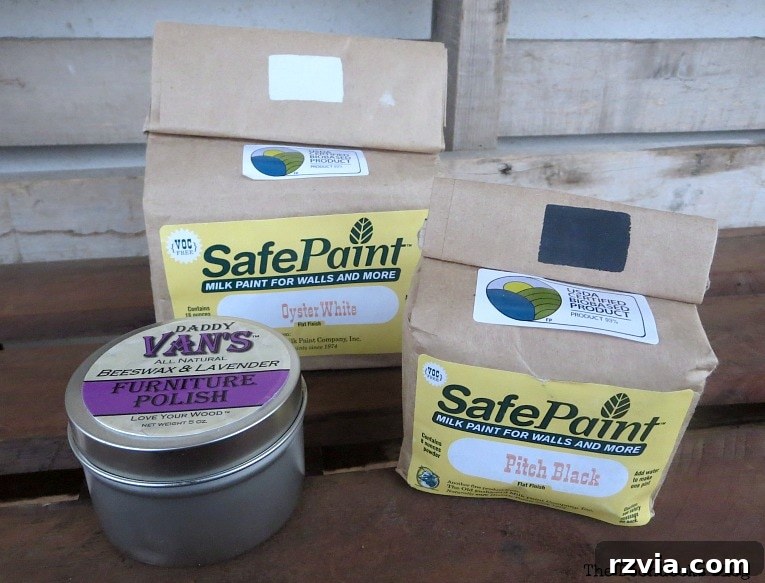
My vision for the refreshed sideboard was a sophisticated, subtly masculine aesthetic. To achieve this, I decided on Old Fashioned Milk Paint in a rich “Pitch Black.” To prevent the color from appearing too stark or monochromatic, I thoughtfully introduced a small amount of “Oyster White” into the mixture. This subtle addition aimed to soften the black, add dimension, and create a sophisticated, muted charcoal hue that would complement the sideboard’s sleek design without being overly dominant.
Why Old Fashioned Milk Paint? A Deep Dive into this Versatile Medium
For this project, Old Fashioned Milk Paint was an ideal choice for several reasons. Unlike modern latex or acrylic paints, true milk paint is an ancient formula, historically used for centuries. It’s made from natural ingredients – milk protein (casein), lime, clay, and natural pigments – making it an eco-friendly and non-toxic option. This aspect is particularly important when working on furniture that will be used in a home environment. The paint comes in a powder form, which you mix with water, allowing you to control the consistency for various applications, from a translucent wash to full, opaque coverage.
The unique characteristic of milk paint is its beautiful, chalky, matte finish that provides an authentic, aged look often desired in vintage furniture restoration. While it can chip or distress naturally on non-porous surfaces (a desired effect for some), when mixed properly and applied, it adheres wonderfully, especially to raw wood. For a piece like this Mid-Century Modern sideboard, I wanted excellent coverage and a durable finish, which I knew milk paint could deliver when prepared correctly.
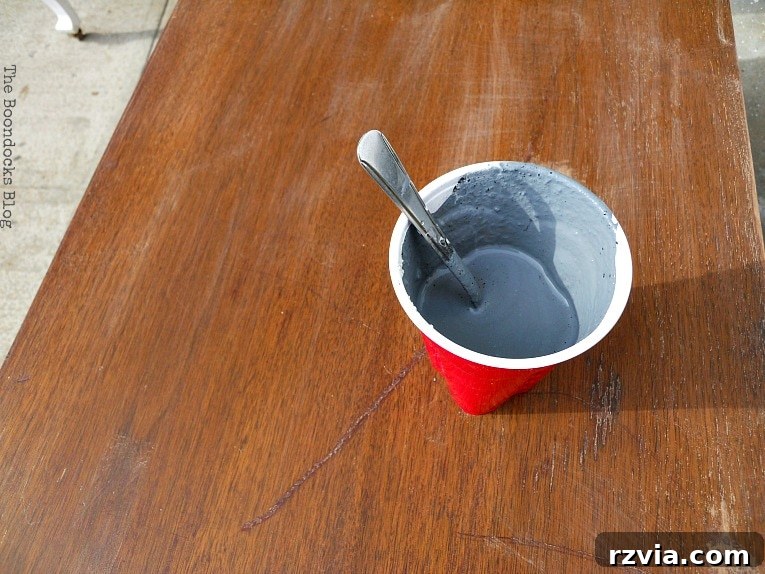
Mixing the paint was a satisfying part of the process. I combined the Pitch Black powder with a tiny touch of Oyster White, gradually adding water until I achieved the desired consistency. After mixing, I let it sit for about 20 minutes. This waiting period allows the pigments and casein to fully dissolve and activate, resulting in a smooth, thick, and consistent paint. This experience was a stark contrast to a previous project, a mirror makeover I completed last month, where I intentionally thinned the milk paint with more water to achieve a whitewash effect. For this Mid-Century Modern sideboard, my goal was full, even coverage to completely obscure the surface damage, so I opted for a richer, more opaque mixture with less water and more powder.
The Transformation Begins: Applying the Milk Paint
With the paint perfectly mixed, I began applying the first coat to the sideboard. I was immediately impressed by how smoothly it glided on. The coverage was excellent, even with the first pass. In fact, my dad, who is typically my toughest critic when it comes to DIY projects, was genuinely surprised. He remarked that my brush stroke techniques had surpassed his own, a compliment I rarely hear! Of course, I secretly knew it was the exceptional quality and smooth application of the Old Fashioned Milk Paint doing most of the work, rather than any sudden improvement in my painting skills, but I graciously accepted the praise.
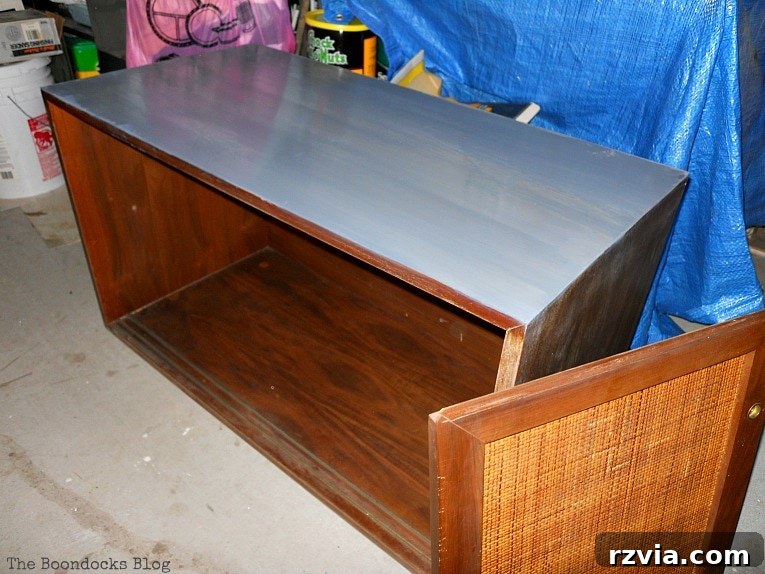
Initially, I considered only painting the damaged top, leaving the sides with their original wood finish. However, after applying the first coat to the top, it became clear that painting only one section looked a bit incomplete and visually awkward. To achieve a cohesive and polished look, I decided to extend the paint to the sides of the sideboard as well. This ensured a uniform aesthetic that truly transformed the piece. Ultimately, I applied three coats of the milk paint, allowing adequate drying time between each. This layered approach was crucial for achieving deep, consistent color saturation and, most importantly, for completely covering and obscuring the unsightly scratches and gashes that had plagued the original surface.
The Final Touches: Sealing and Protecting Your MCM Sideboard
Once the final coat of Old Fashioned Milk Paint had dried thoroughly, it was time to seal and protect the newly painted surface. For this, I turned to Daddy Van’s All Natural Beeswax and Lavender Furniture Polish. This product is fantastic because it’s natural, non-toxic, and provides a beautiful, soft sheen while offering excellent protection. Applying the beeswax not only enhances the depth of the paint color but also creates a durable barrier against everyday wear and tear, ensuring the longevity of your newly upcycled Mid-Century Modern sideboard.
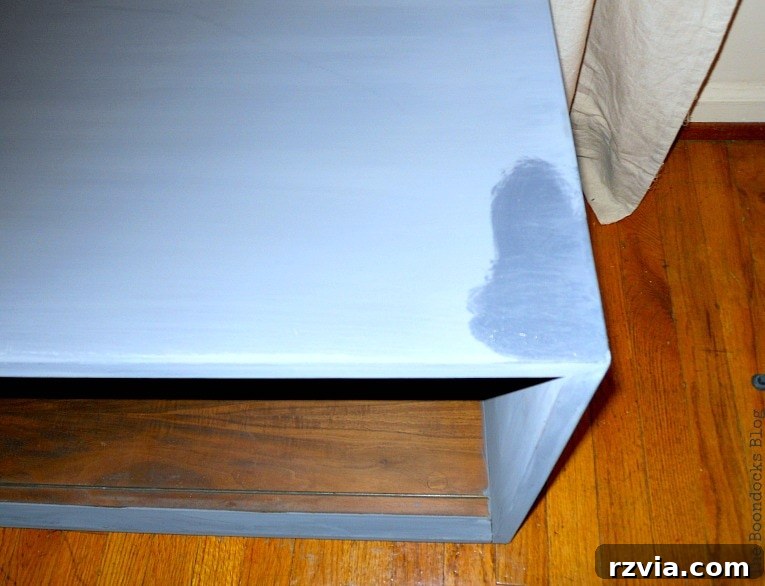
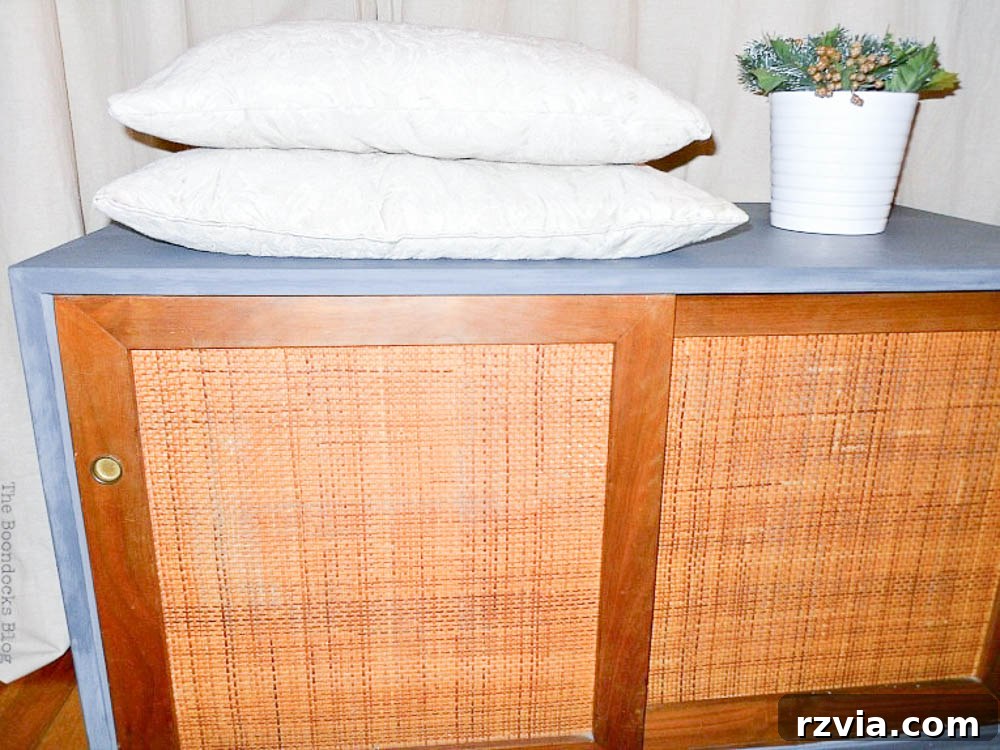
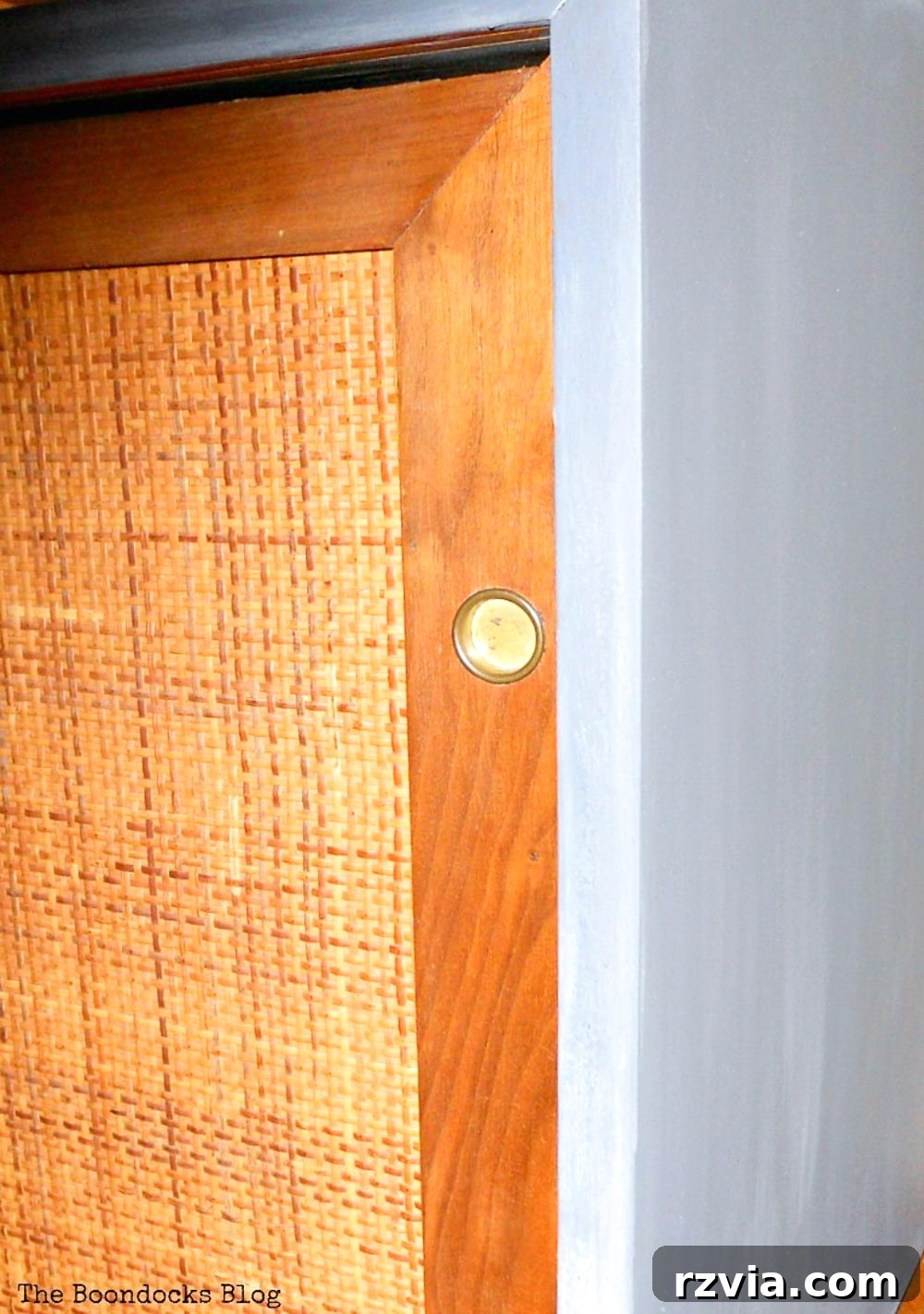
The finished Mid-Century Modern sideboard now showcases a rich, almost charcoal-black hue. If you look closely, you might notice subtle variations in tone, with hints of the Oyster White peeking through in places. This wasn’t entirely intentional; I confess I didn’t mix the paint absolutely perfectly, leading to slightly different shades within the cup. However, this happy accident actually adds fantastic dimension and character to what could have been a flat, solid gray. It gives the surface a more organic, textured feel, enhancing its masculine appeal and ensuring it stands out as a unique piece.
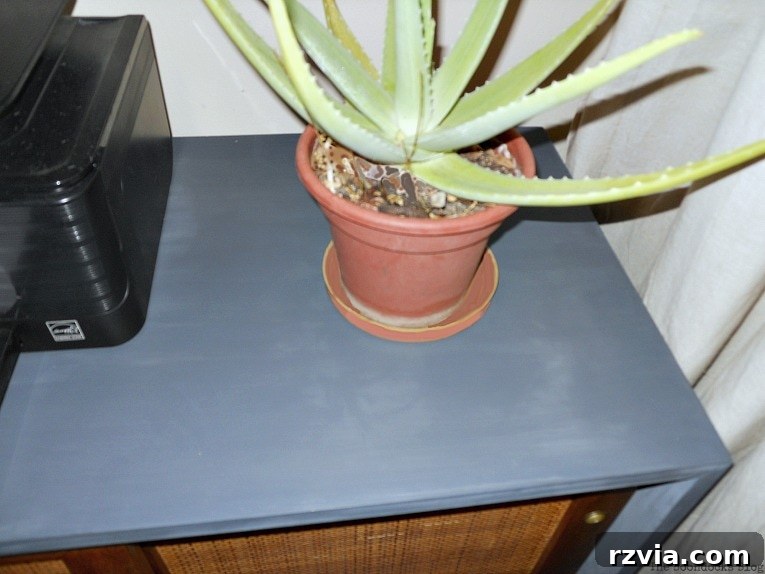
Remarkably, this entire transformation, from start to finish, was completed in just two days. I allowed approximately two hours of drying time between each paint coat, and on the final day, I applied the beeswax sealant. Considering the tight schedule, I was incredibly pleased with the efficiency and the professional-looking result of this “rush job.”
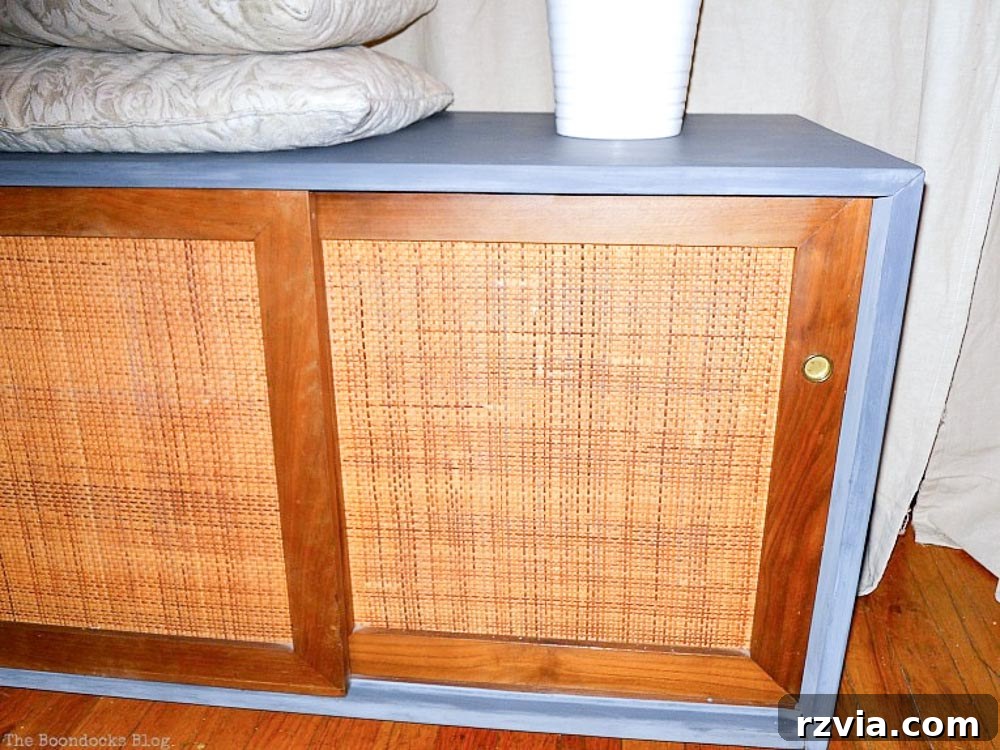
Gone are the unsightly scratches and gashes! I couldn’t be happier with how effectively Old Fashioned Milk Paint concealed the extensive damage on the top surface. The smooth, even coverage has completely rejuvenated the piece, giving it a sleek and sophisticated new identity that perfectly honors its Mid-Century Modern origins.
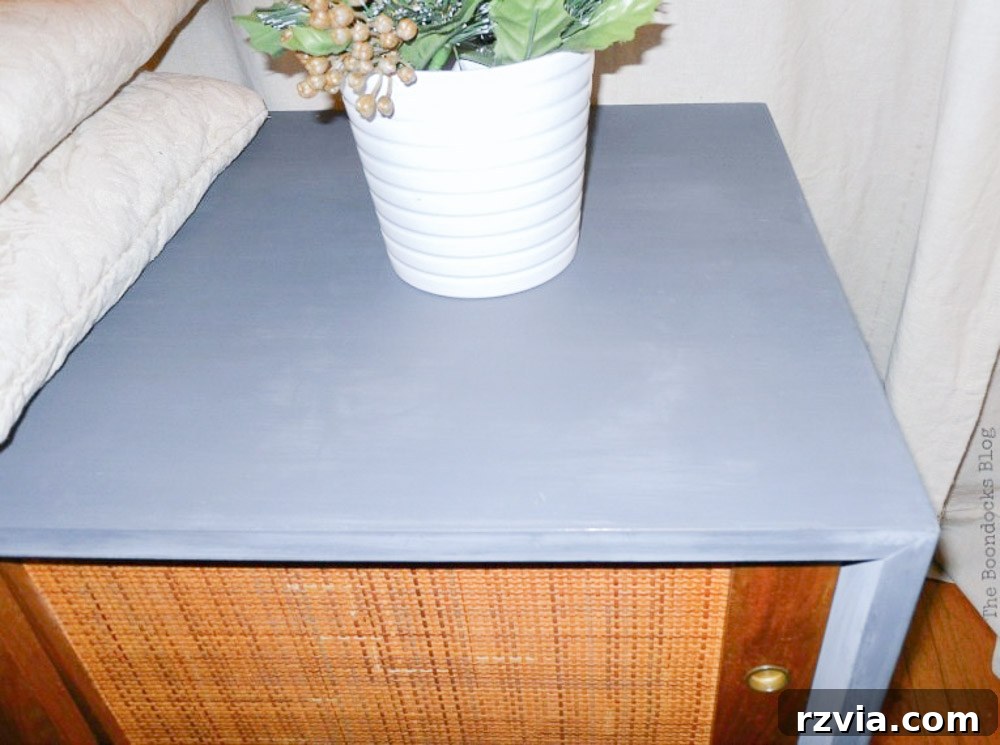
I particularly love the elegant contrast between the new gray-black painted surfaces and the original warm wood of the doors. This juxtaposition highlights the beautiful grain of the existing wood, adding depth and visual interest to the overall design. It’s a testament to how combining different finishes can create a truly unique and appealing piece of furniture.
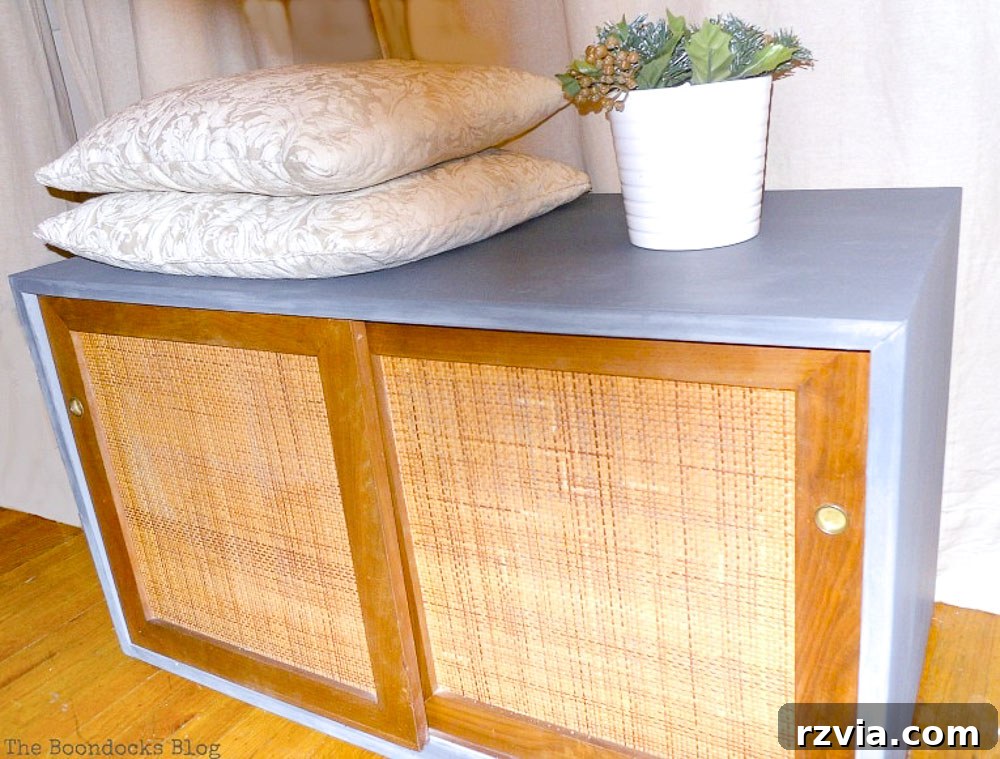
To further enhance the original wood doors and bring out their inherent beauty, I also applied the Daddy Van’s Beeswax to them. This simple step revived the tired wood, hydrating it and giving it a subtle sheen that complements the painted sections perfectly. It’s amazing what a little polish can do to breathe life back into aged timber!
Reflecting on the Rewards of DIY Furniture Upcycling
This project was my second experience using Old Fashioned Milk Paint, and it further solidified my appreciation for this unique medium. My first venture, the mirror makeover, introduced me to the joys of true milk paint and its incredible versatility. For anyone curious about its distinct characteristics, including its historical roots, natural ingredients, and the charming matte finish it delivers, I highly recommend revisiting that earlier post. Understanding the nuances of milk paint can truly elevate your furniture upcycling projects, allowing you to achieve a range of beautiful, authentic finishes.
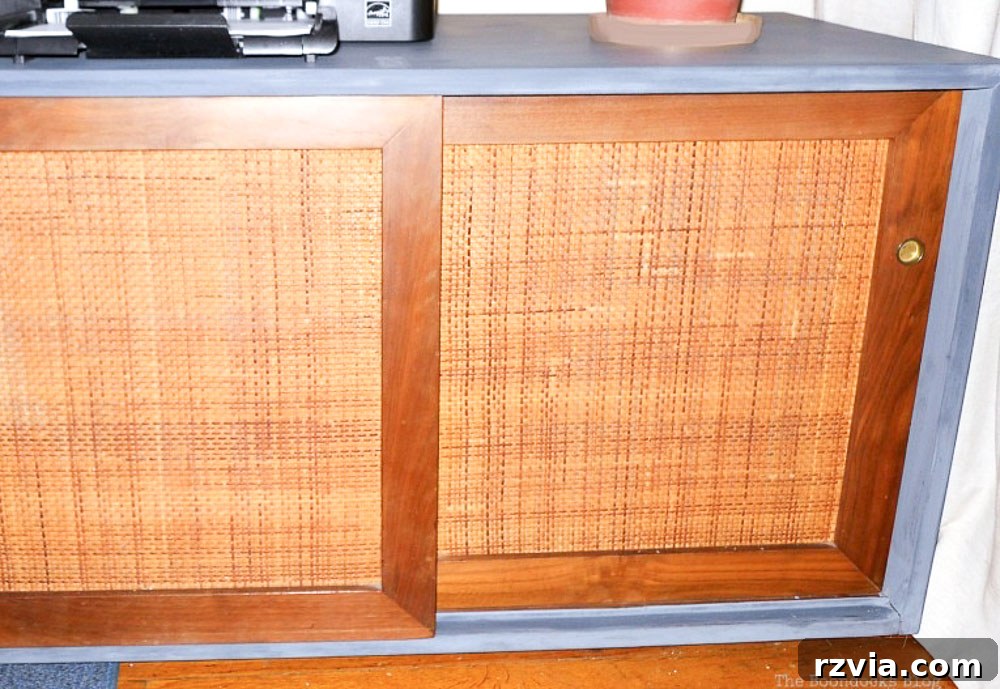
Completing this Mid-Century Modern sideboard refresh just in the nick of time before my flight out of New York was immensely satisfying. There’s a profound joy in knowing that I left behind a beautifully transformed piece for my son’s home – an upcycled MCM sideboard, brought back to life with the timeless appeal of Old Fashioned Milk Paint. That sense of accomplishment and the knowledge that I’ve contributed a unique, handcrafted element to his space is truly the greatest reward of all.
Share Your Thoughts and Discover More DIY Inspiration!
If you’re inspired by simple yet impactful furniture makeovers, you absolutely must check out this guide on how to paint a dresser without sanding at Sustain My Craft Habit! It’s another fantastic resource for achieving beautiful results with minimal fuss.
Now, I’d love to hear from you! What are your thoughts on Mid-Century Modern design? Are you a “yay” or “nay” when it comes to preserving original wood versus painting? And regarding the doors of this sideboard, what would you have done? Left them natural, or painted them too? (Spoiler alert: I did eventually decide to paint the doors of my MCM sideboard for a fully unified look! You can read all about that continuation of the project in its own dedicated post.)
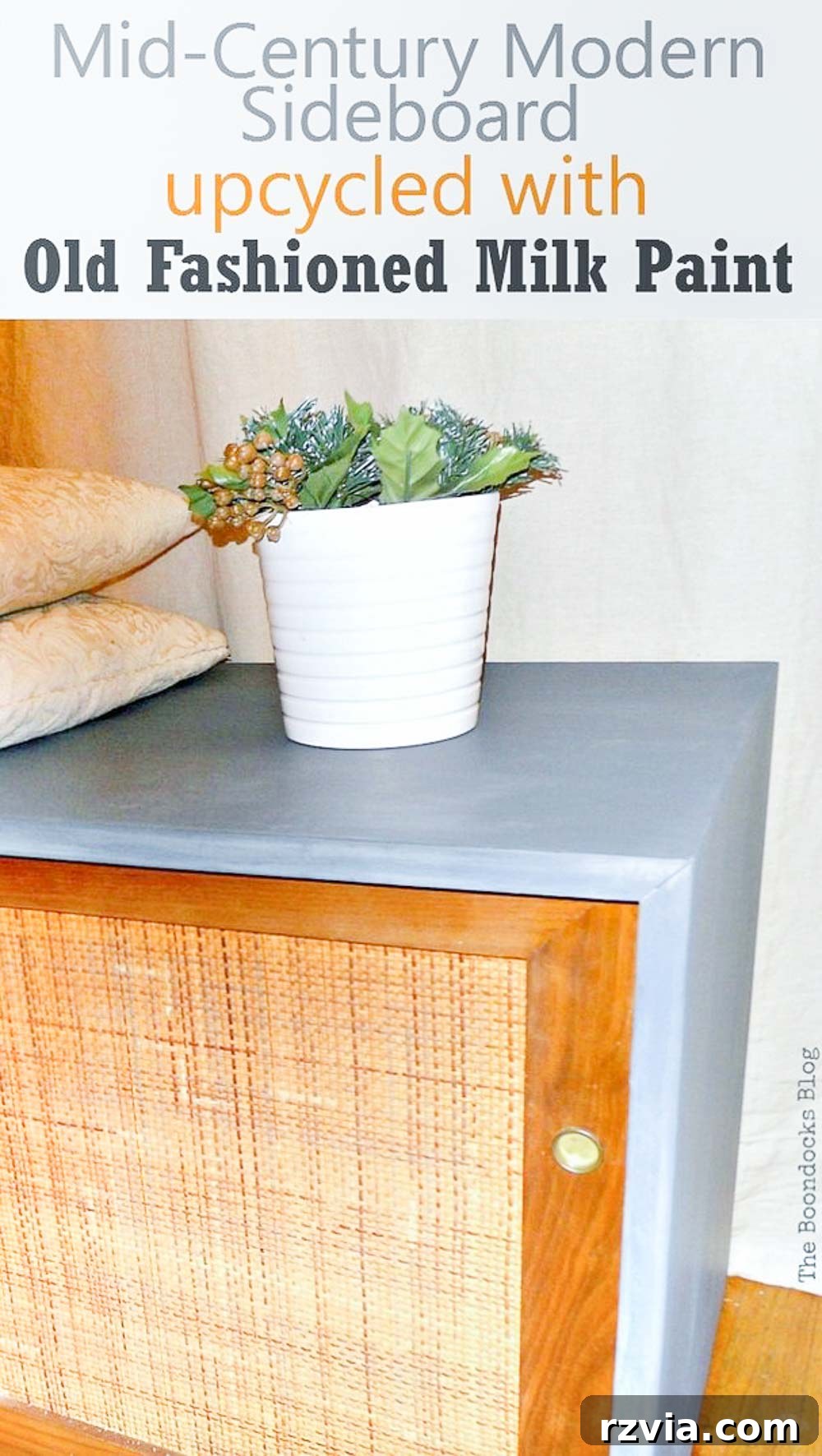
If you like what you see, consider sharing it with your friends or saving it on Pinterest for future inspiration!
This blog is for entertainment purposes only; my DIY tutorials are not professional advice. Read my full disclaimer here.
I genuinely appreciate your comments and always try to reply or visit your blogs. Please avoid adding hyperlinks to your comments, as they cannot be published.