

Unveiling the Magic of Greek Christmas Traditions
It’s that enchanting time of year once again! As the festive spirit fills the air, the International Bloggers Club comes together for our monthly challenge. For those new to our global community, we are a diverse group of bloggers from various corners of the world, collaborating each month to share unique projects and cherished traditions from our respective countries. This month, we’re thrilled to transport you to Greece, where Christmas is a vibrant tapestry of ancient customs, heartfelt celebrations, and delicious treats. Get ready to embark on a fascinating journey, as I have a wealth of insights and stories to share about the Hellenic holiday season!
In Greece, the Christmas season is far more than just a single day of celebration; it’s an immersive, ongoing festival that spans an entire month. Our festivities kick off officially on December 6th, marking Saint Nicholas Day, a date of particular significance for our seafaring nation. The joyous period then gracefully extends through Christmas Day and New Year’s, culminating on January 6th with the Epiphany, often referred to as the “12th day of Christmas” or “Ta Fota” (The Lights). This prolonged celebration allows ample time for family gatherings, religious observance, and the sharing of unique cultural practices that define a Greek Christmas.
Agios Vasileios: The Greek Giver of Gifts
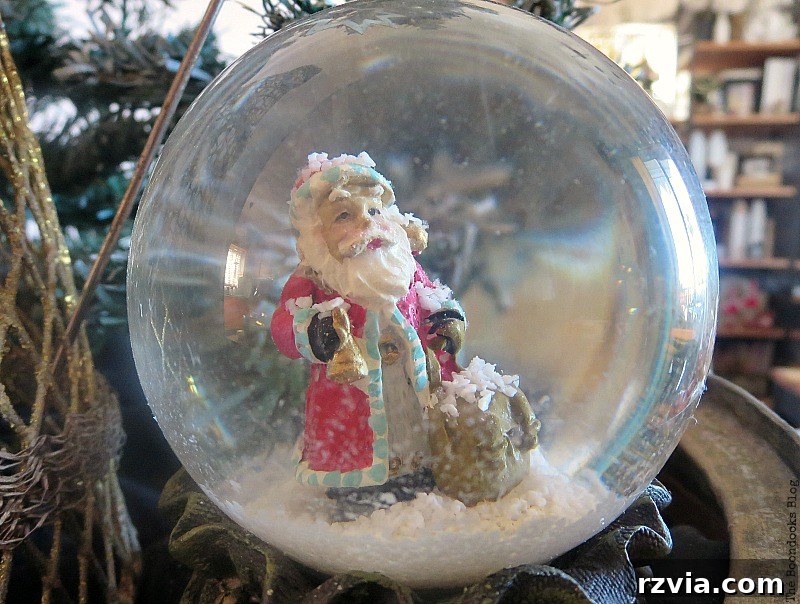
When children in Greece eagerly await presents, their thoughts often turn to Agios Vasileios, or Vasilis for short, our beloved Greek equivalent of Santa Claus. Unlike the jolly, red-suited figure of Western tradition, Agios Vasileios makes his appearance not on Christmas Eve, but on New Year’s Eve, bringing gifts and spreading cheer. He is revered as Saint Basil the Great, one of the Three Holy Hierarchs, known for his profound compassion and generosity towards the poor and needy.
Visually, Agios Vasileios is traditionally depicted as a tall, thin man with a distinguished black beard, embodying wisdom and benevolence rather than the plump joviality associated with Santa. While modern influences have introduced the more familiar image of the Western Santa, the essence of Agios Vasileios, a kindly saint who helps others, remains deeply rooted in Greek culture. Children often affectionately call him Ai Basili.
It’s also important to distinguish Agios Vasileios from Saint Nicholas, another revered figure in Greece. Saint Nicholas is celebrated earlier in the season, on December 6th, and holds a special place as the patron saint of sailors. In coastal towns like ours, this day is a significant event, reflecting Greece’s deep historical and cultural connection to the sea. While Saint Nicholas is honored, it is Agios Vasileios who ultimately delivers the holiday gifts, making New Year’s Day a second peak of excitement for Greek families.

Christmas Day: A Feast of Faith and Family
If presents aren’t opened on Christmas Day, what precisely do Greeks do? Christmas Day itself is a solemn and joyous occasion dedicated to celebrating the Birth of Jesus Christ. The morning begins with attendance at church services, where families gather to observe the divine liturgy and reflect on the spiritual significance of the day. The atmosphere is one of reverence and communal warmth, bringing everyone closer in faith.
Following the church service, families typically return home for a grand Christmas lunch. This festive meal is a central highlight, often featuring a succulent roasted turkey or pork as the main course, accompanied by an array of traditional side dishes. The table is laden with food, wine, and laughter, creating cherished memories. In the evening, the celebrations often continue with visits to friends and family members who are celebrating their name days. Many popular Greek names like Emmanuella, Manolis, Christos, Christina, and Hrisoula have their name days around Christmas, adding another layer of festivity to the season. While in past decades, revelers might have headed out to the “Bouzoukia” (live music venues) for a night of dancing, contemporary celebrations are often more intimate, centered around home visits and cozy gatherings with loved ones.
Disclosure: The items below are affiliate links that lead to Amazon.com. If you purchase any items through these links, I receive a small commission at no additional cost to you. This helps support my blog and allows me to continue providing you with engaging content.
The Evolution of the Christmas Tree in Greece
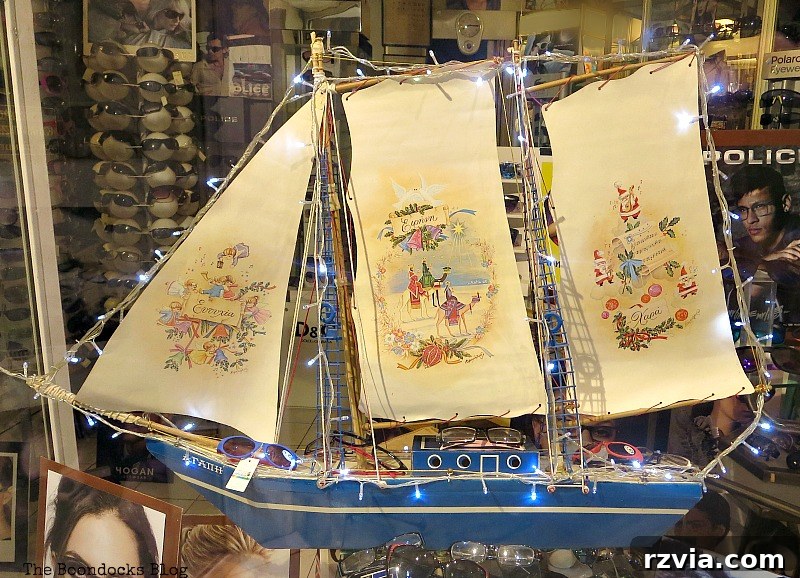
For many years, the Christmas tree, as universally recognized today, was not a traditional fixture in Greek homes. Instead, Greece, a nation intrinsically linked to the sea with its thousands of miles of breathtaking coastline, proudly celebrated the holidays by decorating sailboats with dazzling lights. These illuminated boats, often crafted by hand or displayed prominently in town squares and harbors, symbolized the country’s profound nautical heritage and its close relationship with the Aegean and Ionian seas. It was a beautiful and unique tradition, reflecting the heart and soul of Hellenic maritime culture.
However, over time, as global influences permeated local customs, the decorated sailboat has gradually become a less common sight, though its symbolic presence is still deeply felt. These days, one might be lucky enough to spot a beautifully lit boat in a bookstore window or a quaint local shop, a nostalgic nod to a cherished past. These rare sightings evoke a sense of wonder and connection to the older ways of celebrating.
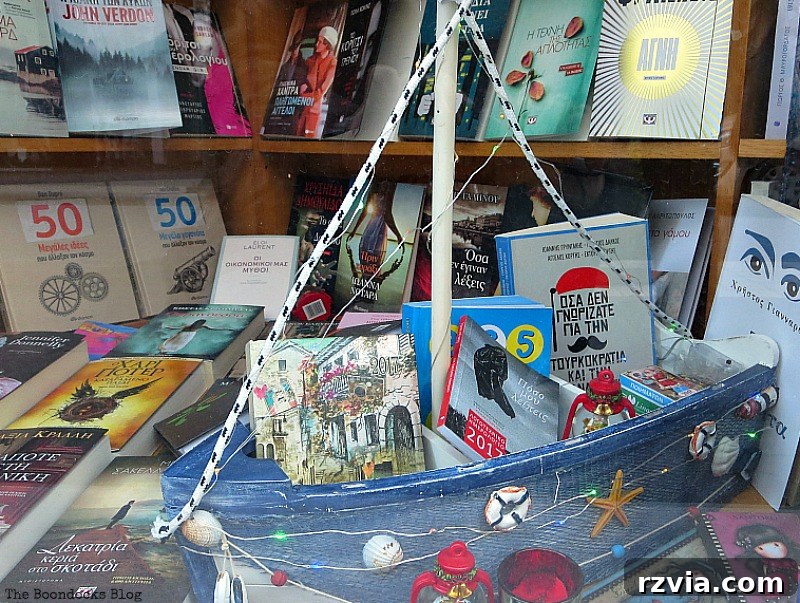
Last year, I had the pleasure of photographing a particularly stunning example of a decorated sailboat in a local store. Its intricate details and warm glow were a testament to the enduring beauty of this unique tradition. While they may be harder to find now, their charm is undeniable.
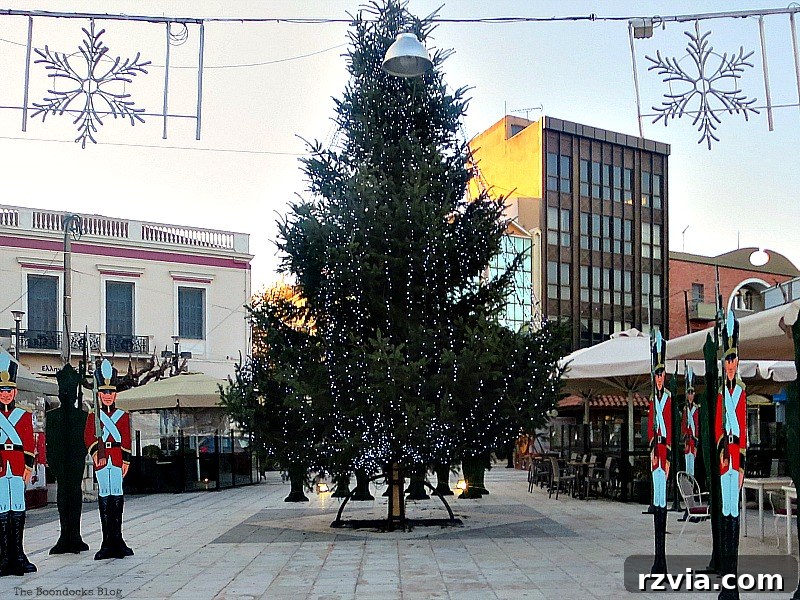
Today, the Christmas tree has firmly established itself as a beloved tradition throughout Greece. While perhaps not as ubiquitous as in some other Western countries, you’ll discover at least a small, elegantly decorated tree in most Greek homes, bringing warmth and cheer. More impressively, grand Christmas trees now stand proudly illuminated in town squares across the nation, becoming central gathering points for communities and vibrant symbols of the festive season.
The Mischievous Kalikantzari: Greek Christmas Goblins
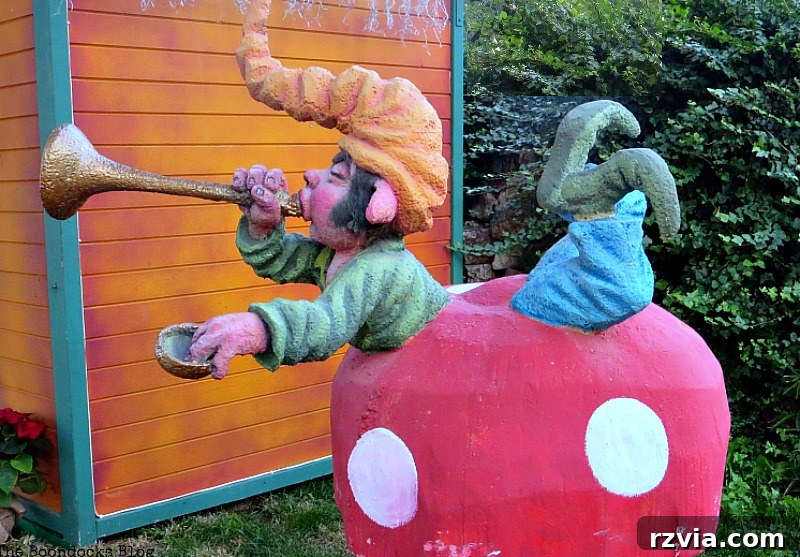
One of the most unique and intriguing elements of Greek Christmas folklore involves the Kalikantzari, mischievous goblins or ugly elves said to emerge from deep within the earth during the 12 days of Christmas. These subterranean creatures are believed to spend the entire year relentlessly sawing at the “tree that holds up the Earth.” According to legend, just as they are about to sever it, Christmas Eve arrives, marking the winter solstice when the sun stands still. Fearing being crushed by the toppling Earth, they scramble to the surface, abandoning their destructive task.
For the duration of the 12 days of Christmas, from December 25th to January 6th, the Kalikantzari wreak playful havoc. They are not inherently evil, but rather troublesome and foolish, slipping into people’s houses through chimneys to steal food, spoil meals, and cause general mischief. To deter these unwelcome visitors, villagers traditionally keep fireplaces lit throughout the night, as the goblins fear fire. Another ingenious method involves placing a colander or a sieve at the front door. The Kalikantzari, being simple-minded, will spend the entire night counting the holes, only to flee at the first ray of dawn, as they despise sunlight.
When January 6th arrives, marking the Epiphany, the sun begins its upward journey once more, signaling the time for the Kalikantzari to retreat back to their subterranean dwelling. Upon their return, they discover that the “Earth tree” has miraculously regrown, compelling them to restart their endless, futile task of cutting it down again, only to repeat the cycle the following Christmas. On this significant day of the Epiphany, Greek Orthodox priests visit homes, performing blessings with holy water to cleanse them of any lingering mischievous spirits and ensure peace for the coming year.
The Joy of Gift Opening: A New Year’s Tradition
In Greece, the much-anticipated moment of opening presents traditionally takes place on New Year’s Day. This timing is perfectly natural, as Agios Vasileios, our revered gift-bearer, arrives on the eve of the New Year, making January 1st the day to unwrap the thoughtful treasures he brings. For someone like me, raised in the United States where Christmas Day morning is synonymous with unwrapping gifts, this tradition presented a delightful cultural adjustment.
I have countless cherished memories from my childhood of staying up late into Christmas Eve, meticulously wrapping presents for my family, eagerly anticipating the joyful chaos of Christmas morning. The idea of Christmas without presents felt initially unusual. However, upon moving to Greece, I decided to blend traditions, allowing our children to experience the best of both worlds. We continued to open some gifts on Christmas Day, embracing a bit of my American heritage, while also fully participating in the Greek New Year’s Day gift-giving with gifts from Agios Vasileios. This approach not only honored both traditions but also provided the added benefit of giving the kids more time to enjoy their new toys before returning to school, extending the holiday magic.
The Melodious Kalanta: Greek Christmas Carols
The enchanting Christmas carols, known as Kalanta, hold a profoundly special place in Greek cultural life, weaving melody and tradition throughout the holiday season. On the eve of Christmas, New Year’s, and Epiphany, a delightful ritual unfolds: children rise early, eager to gather with their friends. Armed with a “trigono” (triangle) and sometimes other small instruments, they venture out into their neighborhoods, going from door to door to sing the cherished Kalanta. Before they begin their performance, politeness dictates they ask, “Na ta poume?” (“Shall we sing them?”). Upon receiving permission, their youthful voices fill the air with festive tunes, bringing joy to every home.
In return for their melodic efforts, the children are traditionally rewarded with small sums of money or an assortment of delicious sweets, a joyful incentive for carrying on this age-old custom. Greece boasts a rich repertoire of Kalanta, with specific carols designated for each major holiday. Beyond the general carols, each region of Greece also possesses its own unique versions of the Kalanta, imbued with local flavors, dialects, and topical references, making them a vibrant expression of regional identity. This beautiful tradition of Kalanta singing is not a recent phenomenon; its roots stretch back to Ancient Greece, demonstrating an incredible longevity and continuity in Greek culture. It’s a living testament to the power of music and tradition to connect generations.
Festive Greek Sweets and Desserts
For Greeks, the holiday season is synonymous with an abundance of delectable sweets and desserts. Our love for sugary treats is evident year-round, with bakeries and pastry shops gracing nearly every neighborhood. During Christmas, this culinary passion reaches its peak, filling homes and shops with irresistible aromas and tempting delights. These traditional confections are not merely desserts; they are an integral part of our cultural heritage and an essential component of festive gatherings.
Among the most iconic Christmas treats are Melomakarona. These exquisite semolina-based cookies are generously drenched in a fragrant honey syrup, often spiced with cinnamon and cloves, and then sprinkled with finely chopped walnuts. Each bite is a symphony of moist, sweet, and aromatic flavors, making them an absolute holiday favorite. For those eager to try their hand at making these, my friend Katerina of Culinary Flavors shares a fantastic recipe that captures their authentic taste.
Another quintessential Greek Christmas sweet is Kourambiedes. These delicate butter cookies, infused with the rich flavor of roasted almonds, are famously blanketed in a generous snowfall of confectioner’s sugar. Their melt-in-your-mouth texture and subtle sweetness make them utterly irresistible. In my opinion, Kourambiedes are often simpler to prepare than some other holiday cookies, which is why I make them every year without fail. My friend Zografia from Bisozozo offers a wonderful recipe for these buttery delights, perfect for bringing a taste of Greece to your home.
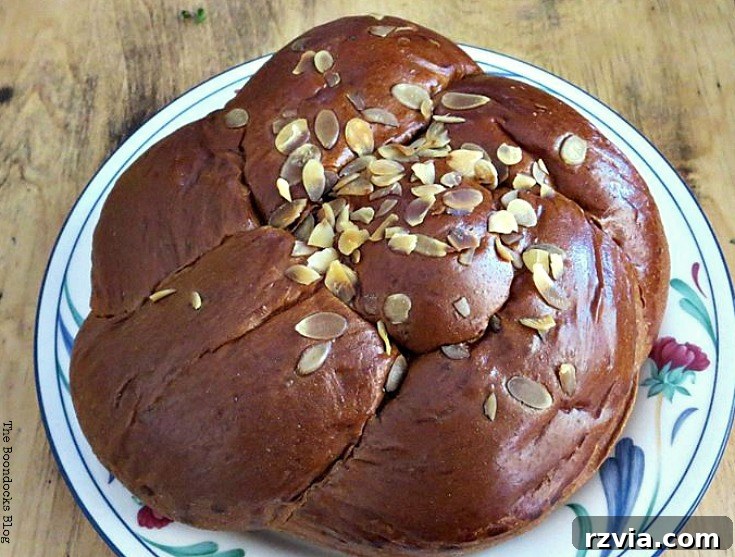
Beyond cookies, we also have special festive breads. The Christopsomo, or “Christ’s Bread,” is a beautifully adorned bread, traditionally baked on Christmas Eve, with a cross carved into its top crust before baking, symbolizing the birth of Christ. For New Year’s, the star of the table is the Vasilopita cake. A special coin is inserted into this sweet bread or cake before it’s baked. When the Vasilopita is sliced and shared on New Year’s Day, the person who finds the coin is believed to be blessed with good luck for the entire year ahead. It’s a delightful and eagerly anticipated tradition that adds an element of joyful anticipation to the start of the new year.
The Grand Finale: Epiphany in Greece
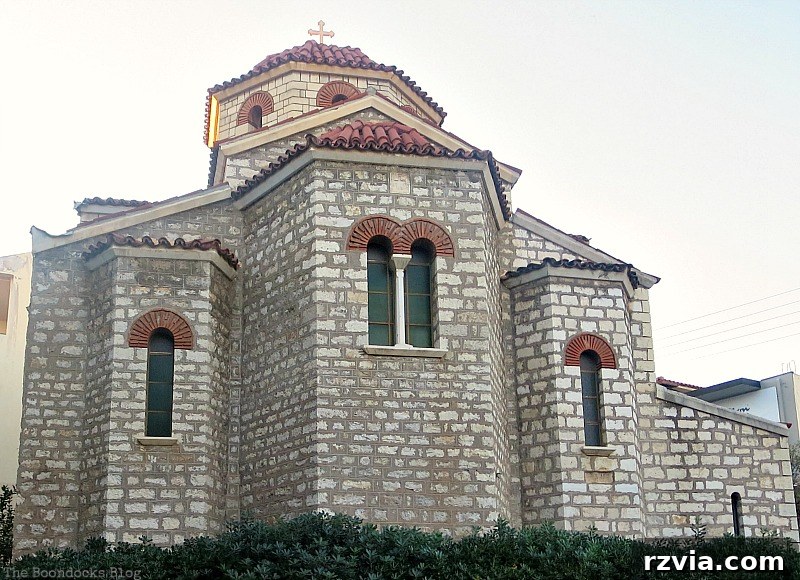
The Christmas celebrations in Greece reach their magnificent conclusion on January 6th with the Epiphany, a day of profound religious significance commemorating the baptism of Jesus Christ. This powerful observance is known as “Ta Fota” (The Lights), symbolizing the enlightenment brought by Christ’s presence. The day begins with a solemn Divine Liturgy in Greek Orthodox churches, drawing large congregations for prayer and reflection.
Following the church ceremony, a vibrant and awe-inspiring tradition unfolds, especially in coastal areas. The entire community, including priests, congregates at the nearest body of water – be it the sea, a lake, or a river. There, in a symbolic act, the priest hurls a consecrated cross into the chilly waters. This moment marks the “Blessing of the Waters.” What follows is a spectacle of courage and faith: a group of vigorous young men, eager to receive a special blessing, bravely dive into the water to retrieve the cross. Despite the time of year, the Mediterranean waters in Greece are often not as frigid as one might imagine, making this daring feat an exhilarating highlight of the Epiphany celebrations. The diver who successfully retrieves the cross is believed to be granted good fortune and divine blessings for the entire year, concluding the festive season with a powerful testament to faith and tradition.
As you can see, Christmas in Greece is a rich tapestry of unique customs, ancient folklore, and heartwarming family traditions. From the revered Agios Vasileios to the playful Kalikantzari and the solemn beauty of the Epiphany, our holiday season is truly one-of-a-kind. I hope you’ve enjoyed this deep dive into Hellenic Christmas traditions and found some aspects particularly fascinating or unusual. I’d love to hear your thoughts and what surprised you most about our celebrations in the comments below!
Wishing everyone a very Merry Christmas and joyous Happy Holidays filled with peace, love, and happiness!
If you’ve enjoyed exploring these traditions, please consider sharing this post with your friends or saving it to Pinterest using the image above! Your support helps us share more cultural insights.
For more adventures and unique content, subscribe to my blog! You’ll receive updates directly in your mailbox twice a week. You can find the subscription form on the sidebar, and rest assured, your email will never be shared with any third party.
And now, I invite you to continue your global journey by visiting my four talented friends who have also shared fascinating traditions from their own countries. Simply click on the images below my name to discover more. If you’re keen to explore past challenges from the International Bloggers Club, you can find them here.
More from the International Bloggers Club
<<Facebook Photos November HOME Repurpose decor for a Unique Christmas Look>>
This blog is for entertainment purposes only; my DIY tutorials are not professional advice. Read my full disclaimer here.
I deeply appreciate your comments and will do my best to reply to them or visit your blog. Please ensure you do not add a hyperlink to your comment, as this may prevent its publication.