

Exploring Greek Easter: A Vibrant Journey into Pascha Traditions with the Int’l Bloggers Club
Welcome to the second exhilarating month of our Int’l Bloggers Club Challenge! This global collaboration brings together a unique group of four passionate bloggers from distinct corners of the world, uniting us to compare notes, share traditions, and celebrate our diverse cultures. Last month, our challenge revolved around delightful Valentine’s breakfasts from our respective countries, offering a glimpse into romantic culinary customs. For this month’s challenge, we’re diving deep into the spiritual and cultural heart of one of the world’s most significant religious observances: Easter.
As a proud Greek Orthodox Christian, I am thrilled to open a window into the rich, ancient, and deeply cherished traditions of Pascha, as Easter is known in Greece. It is not merely a holiday; it is the most important religious celebration of my country, a period brimming with profound spiritual reflection, joyous family gatherings, and captivating customs passed down through generations. This year, our Orthodox Easter coincidentally falls on May 1st, a much later date than usual. This temporal alignment with Catholic Easter occurs only once every four years, and it often means that by the time our Pascha arrives, we are already embracing the warm embrace of early summer, often heading straight for “summer-beach territory.” This unique timing adds an extra layer of vibrancy to our already spirited celebrations.
The Spiritual Journey to Pascha: From Carnival Revelry to Lenten Solemnity
The road to Pascha in Greece is a journey paved with a fascinating blend of feasting, fasting, and deep spiritual preparation. It begins long before Holy Week, with traditions that lighten the spirit before the period of abstinence.
Tsiknopempti: The Smoky Thursday Feast
One of the most characteristic pre-Lenten celebrations is “Tsiknopempti,” literally translated as “Smoky Thursday” or “Grilled Meat Thursday.” This vibrant day, which takes place during Carnival (Apokries) season, is a spectacular culinary blowout designed to usher in the Lenten fast. Across the entire nation, an intoxicating aroma fills the air – the unmistakable scent of barbecued meat. Families, friends, and communities gather en masse to grill vast quantities of meat, indulging in a final, joyous feast. It’s a day of boisterous merriment, delicious food, and lively gatherings, serving as a grand finale to the Carnival festivities, which themselves are characterized by parades, costumes, and general revelry. The energy of Tsiknopempti is infectious, a spirited farewell to meat consumption.
Clean Monday: The Start of Great Lent
Following this exuberant feasting, the atmosphere shifts dramatically on “Clean Monday” (Kathara Deftera), which marks the official commencement of Great Lent. This day is all about purification and spiritual cleansing. Tradition dictates a strict Lenten diet, primarily consisting of seafood (like octopus and calamari), vegetables, and “lagana,” a special unleavened flatbread. Meat, dairy products, and eggs are strictly avoided. Beyond the culinary aspects, Clean Monday is often a day for outdoor activities, particularly kite flying, as families head to parks or open fields to enjoy the fresh air and symbolically “fly away” their sins. It’s a day for picnics in nature and a collective commitment to the 40-day period of fasting, prayer, and introspection that leads up to the glory of Pascha. This fast is not just physical; it’s a profound spiritual exercise aimed at preparing one’s soul for the resurrection of Christ.
Holy Week: A Sacred Tapestry of Rituals and Preparations
The journey culminates in Holy Week (Megali Evdomada), the most sacred and emotionally charged period in the Greek Orthodox calendar. This week is a dense schedule of church services, culinary preparations, and profound communal rituals, each day imbued with its own specific significance and mood:
- Holy Monday, Tuesday, and Wednesday: These days are marked by special evening liturgies that commemorate events leading up to Christ’s Passion. The hymns are deeply moving, and the focus is on repentance and spiritual readiness.
- Maundy Thursday (Megali Pempti): This is a pivotal day for household preparations. Following the morning liturgy, homes across Greece transform into bustling bakeries. It is the traditional day to dye our Easter eggs a vibrant, deep red. This color symbolizes the blood of Christ and His ultimate sacrifice, while the egg itself represents rebirth and new life. Simultaneously, the irresistible aroma of freshly baked “tsoureki” (a sweet, braided brioche-like bread) and “koulourakia” (crispy butter cookies) fills every kitchen. These delicious treats are prepared in anticipation of breaking the fast, though they are not consumed until after midnight on Holy Saturday.
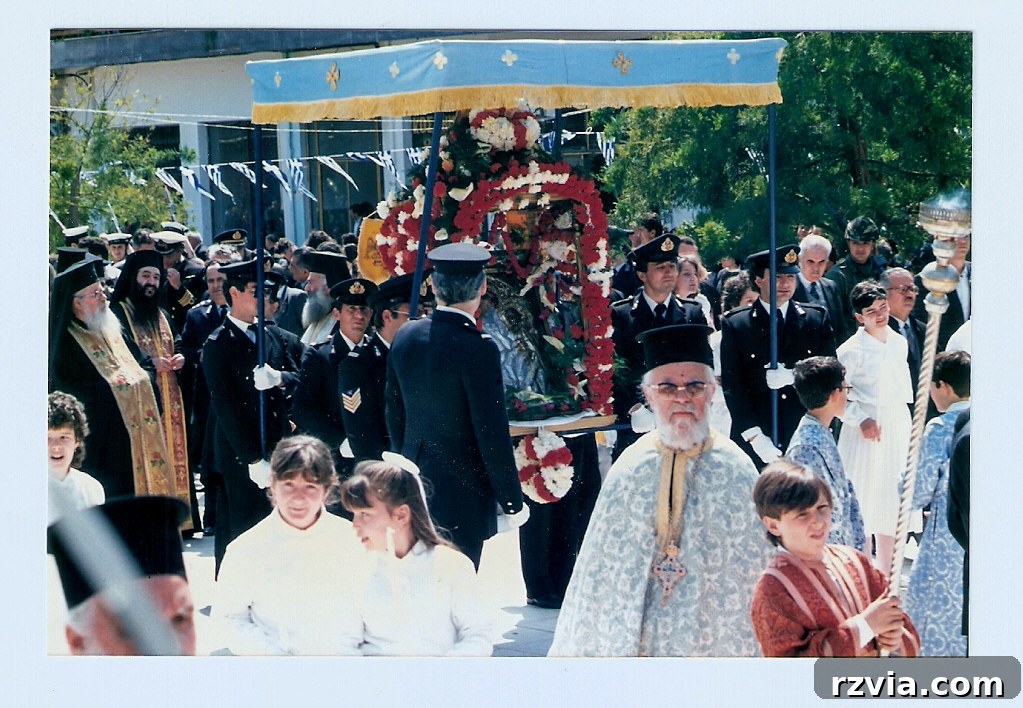
- Good Friday (Megali Paraskevi): This is undoubtedly the most solemn day of Holy Week, dedicated to commemorating the crucifixion of Jesus Christ. Churches are draped in black, and the atmosphere is one of profound mourning. In the evening, the deeply poignant “Epitaphios” procession takes place. The Epitaphios is a beautifully decorated bier, symbolizing Christ’s tomb, adorned with a profusion of flowers arranged by women and children earlier in the day. Carried on the shoulders of pallbearers, often young men or soldiers, it slowly processes through the streets of every town and village. Parishioners follow in a hushed procession, holding lit candles and singing mournful hymns, creating a powerful and unifying display of faith and communal grief.
The Midnight Miracle: Holy Saturday and the Holy Light
The anticipation reaches a fever pitch on Holy Saturday evening, leading up to the transformative midnight Resurrection service. This is arguably the most climactic and emotionally charged moment of the entire Greek Pascha celebration. As midnight draws near, churches are filled to capacity, with every parishioner holding their individual “Lambada” – a specially decorated Easter candle.
Precisely at midnight, the church lights are extinguished, plunging the space into symbolic darkness, representing the darkness of Christ’s tomb. Then, with a profound sense of reverence, the officiating priest emerges from the altar, bearing the “Holy Light.” This sacred flame is miraculously ignited at the Holy Sepulchre in Jerusalem and is then ceremoniously flown to Greece, distributed to churches across the country. The priest then offers the Holy Light to the faithful, who, in turn, pass the flame from one candle to another. Within moments, the entire church becomes illuminated by thousands of flickering candles, a breathtaking symbol of Christ’s resurrection and the triumph of light over darkness. The moment is electrifying and deeply spiritual, often bringing tears to the eyes of the devout.
As the Holy Light spreads, the priest proclaims “Christos Anesti!” (Christ is Risen!), and the congregation joyfully responds with a resounding “Alithos Anesti!” (Indeed He is Risen!). Church bells peal triumphantly, fireworks erupt in the night sky, and the atmosphere shifts from solemn anticipation to unbridled exultation. It’s an unforgettable sensory experience, signaling the victory of life over death. With their carefully guarded lit Lambades, families then make their way home, eager to continue the traditions.
The Enduring Charm of Lambades: More Than Just Candles
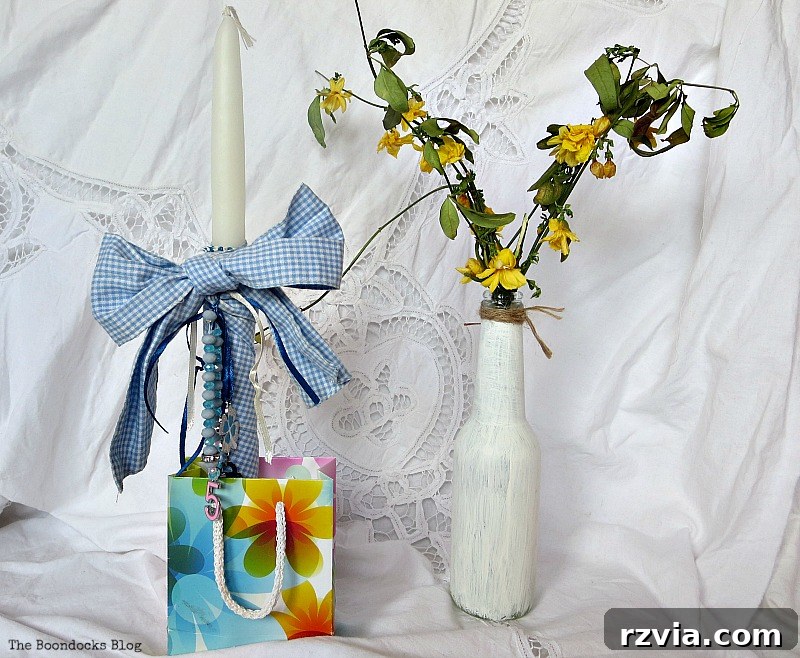
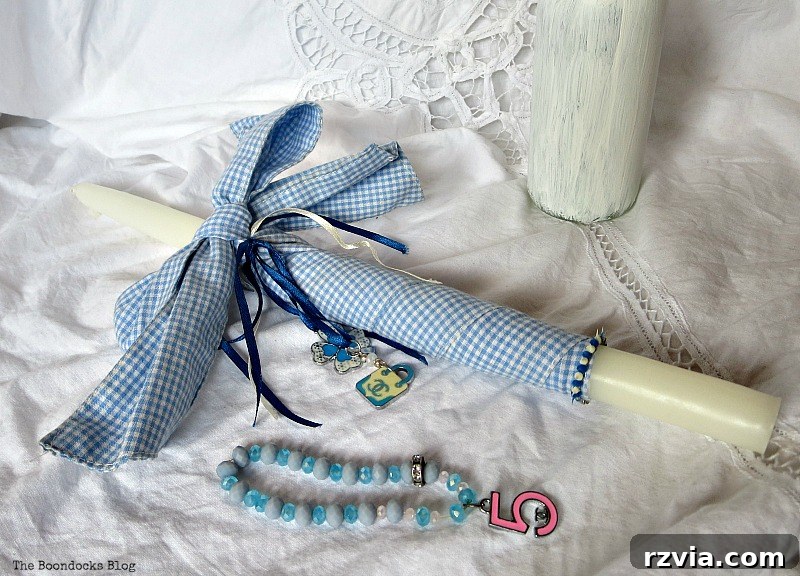
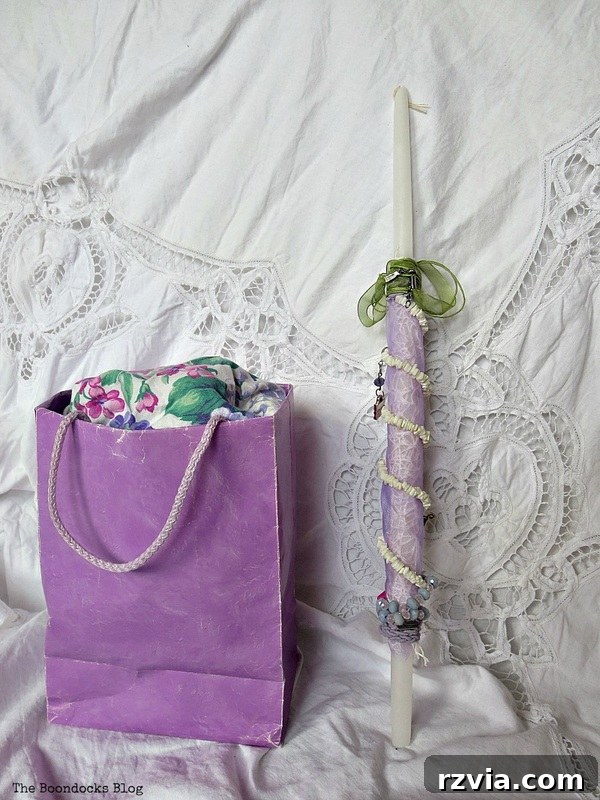
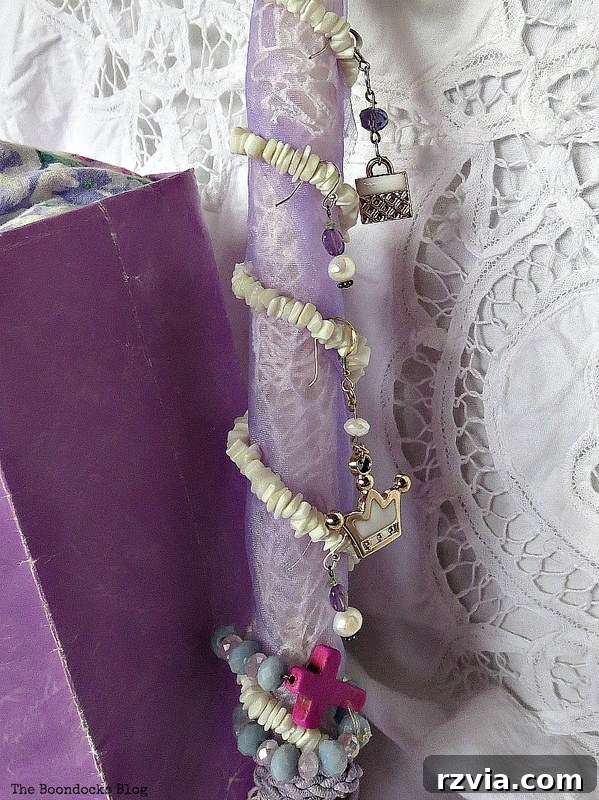
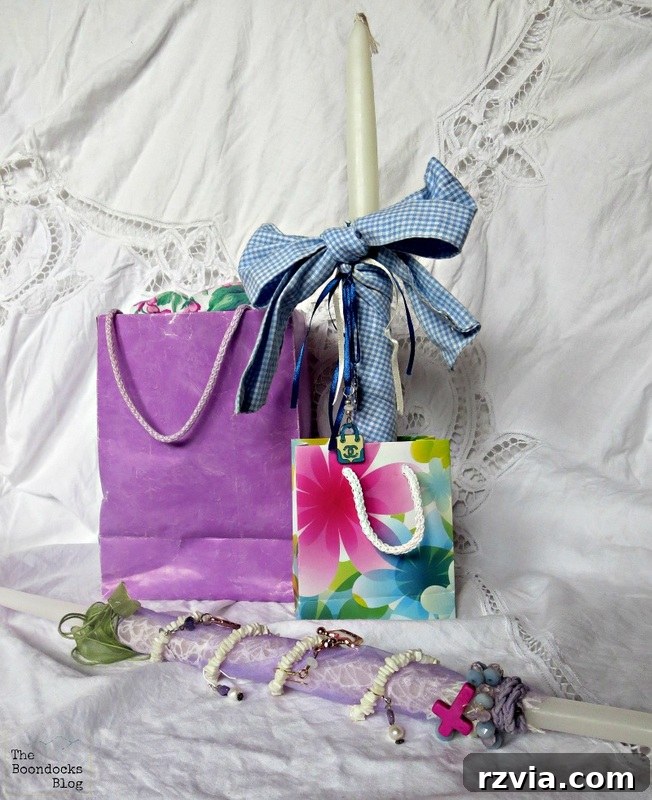
The “Lambada” is far more than a simple candle; it is a beloved and iconic part of Greek Easter, particularly for children. These special candles are traditionally given as gifts from godparents to their godchildren. This tradition reinforces the spiritual bond between them, and the Lambada itself becomes a vessel of joy and excitement.
Lambades come in an astonishing array of shapes, sizes, and decorative styles, reflecting both timeless elegance and contemporary trends. From simple, elegant designs to elaborate, fantastical creations, there’s a Lambada for everyone. A common observation is that the younger the godchild, the more exuberantly decorated the candle tends to be. These often feature popular cartoon characters, vibrant colors, intricate ribbons, and playful embellishments, making them irresistible to little ones.
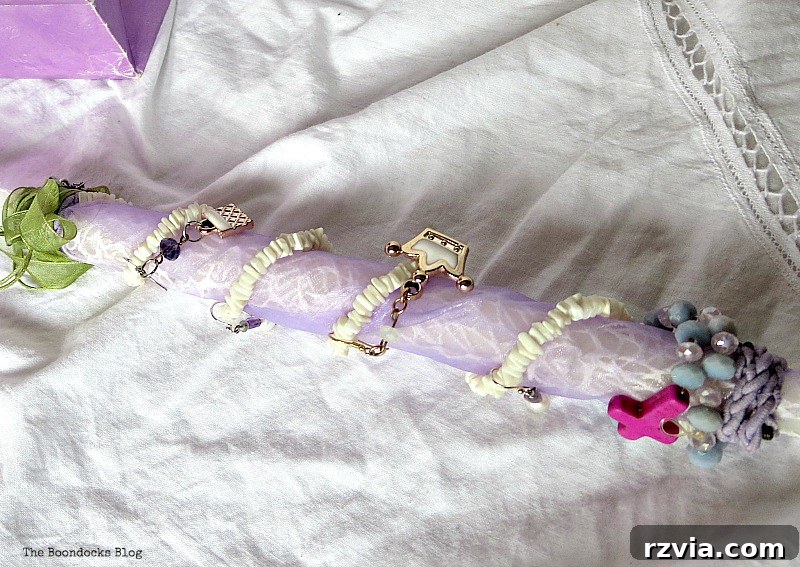
Beyond the candle itself, it’s customary for godparents to attach additional gifts to the Lambada. If the recipient is a girl, delicate costume jewelry, hair accessories, or small trinkets might be incorporated into the candle’s design, making it a truly personalized present. For any child, toys are frequently intertwined with the candle’s decoration, transforming the entire gift into an exciting Easter package. Furthermore, children traditionally receive a brand-new pair of shoes for Easter, adding another layer of delight to their holiday celebrations. The anticipation of these gifts, along with the spiritual significance of the candle, makes the Lambada a truly unforgettable part of Greek Pascha.
The Midnight Feast: Magiritsa and the Lucky Red Eggs
After the exhilarating Resurrection service, families carefully carry their lit Lambades home through the dark streets, a truly magical sight. Upon arriving, usually around 2 AM, a significant household ritual takes place: with the flame from the Lambada, we make the sign of the cross above our doorway, marking it with soot. We then use this holy flame to light the gas stove or an oil lamp in the home, a symbolic act ensuring that the Holy Light remains with us, blessing our household throughout the entire year. This act beautifully connects the sacred experience of the church to the sanctity of our family home.
Immediately following this, the long-awaited midnight feast commences, marking the official end of the Great Lent’s rigorous fasting period. The traditional centerpiece of this meal is “Magiritsa,” a uniquely Greek lamb offal soup. Prepared with finely chopped lamb entrails, aromatic herbs like dill and lettuce, and thickened with a creamy avgolemono (egg-lemon sauce), Magiritsa is a deeply flavorful and comforting dish. While its ingredients might surprise some, it is specifically designed to gently reintroduce meat into the diet after weeks of fasting, offering warmth and nourishment after the late-night church service. It’s an indispensable part of the Pascha experience, providing a vital culinary bridge from fasting to feasting.
During this meal, the vibrant red Easter eggs take center stage in a beloved, playful, yet highly symbolic egg-cracking game known as “tsougrisma.” Each person selects an egg and, holding it firmly, taps it against another person’s egg. The goal is to crack the other person’s egg while keeping your own intact. The game is filled with laughter, friendly competition, and shouts of victory. The person whose egg remains uncracked until the very end is believed to have good luck and prosperity throughout the coming year. This ancient game is a cherished tradition for all ages, adding an element of fun and superstition to the midnight feast.
Easter Sunday: The Grand Feast and Unforgettable Celebrations
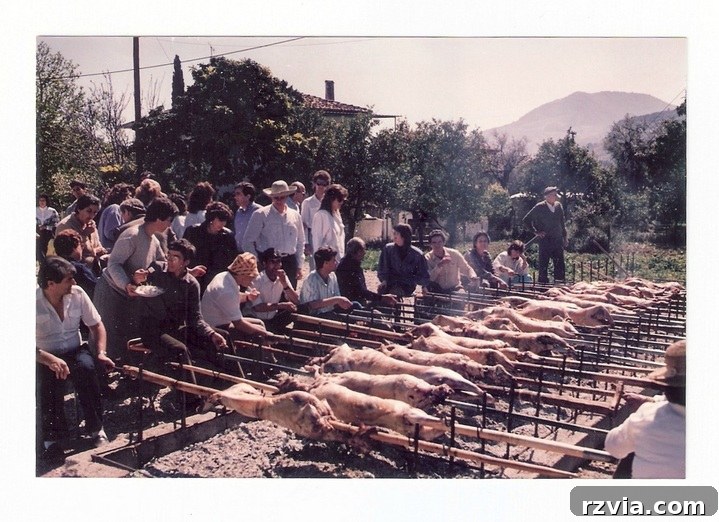
Easter Sunday is the glorious pinnacle of the Pascha celebrations – a day of unparalleled joy, immense family gatherings, and bountiful feasting that truly comes alive in Greece. The morning is typically a flurry of activity, as preparations begin for the main culinary event: the roasting of lamb. This is often a communal and festive affair, with families and neighbors gathering to slow-roast whole lambs on spits over open coals. The spectacle itself is a centerpiece of the celebration, filling the air with incredible aromas, lively chatter, and a palpable festive spirit. The process is lengthy, often taking several hours, and serves as a social occasion in itself, where people chat, drink ouzo or wine, and enjoy appetizers while the lamb slowly cooks to perfection.
The Easter table is a magnificent sight, groaning under the weight of traditional delicacies. Alongside the star of the show – the succulent, tender spit-roasted lamb – you’ll find an abundance of complementary dishes: fresh, crisp salads often dressed with olive oil and lemon; crispy fried potatoes; an array of local Greek cheeses; and, of course, more of the delicious red Easter eggs ready for cracking, and generous slices of the sweet tsoureki. Wine flows freely, traditional Greek music plays, and the sounds of laughter, lively conversation, and singing fill every home and courtyard. It’s a day to truly indulge and celebrate life.
Children, proudly wearing their new Easter shoes, eagerly play with the toys they received with their Lambades, their joy adding to the infectious atmosphere. The egg-cracking game continues throughout the day, providing endless entertainment and friendly competition. Easter Sunday in Greece is a vibrant, multi-sensory experience – a true feast for the palate, a profound balm for the soul, and a cherished time for family bonds to be strengthened and celebrated. It’s a day when the entire nation truly embraces the message of resurrection, renewal, and new beginnings, celebrating with an intensity and passion that is uniquely Greek.
Join the Int’l Bloggers Club: Discover More Global Easter Inspirations!
I absolutely cherish celebrating Easter in this traditional Greek manner every single year. The profound spiritual meaning, the rich culinary traditions, and the joyous family gatherings make it an unforgettable experience. Sharing these deeply meaningful customs with you, from the solemnity of Holy Week to the vibrant feast of Easter Sunday, has been a true delight.
But the celebration and cultural exploration don’t end here! The true beauty of the International Bloggers Club Challenge lies in the incredible opportunity to explore diverse perspectives and traditions from around the globe. While my focus is on Greece, my fellow bloggers are eager to share their unique Easter customs.
Now, I warmly invite you to hop over to my friends’ blogs to discover how they celebrate Easter in their respective countries. You’ll find a world of unique customs, inspiring stories, delicious regional recipes, and creative crafts. Click on the links below to continue your global Easter journey and broaden your understanding of this universal celebration!