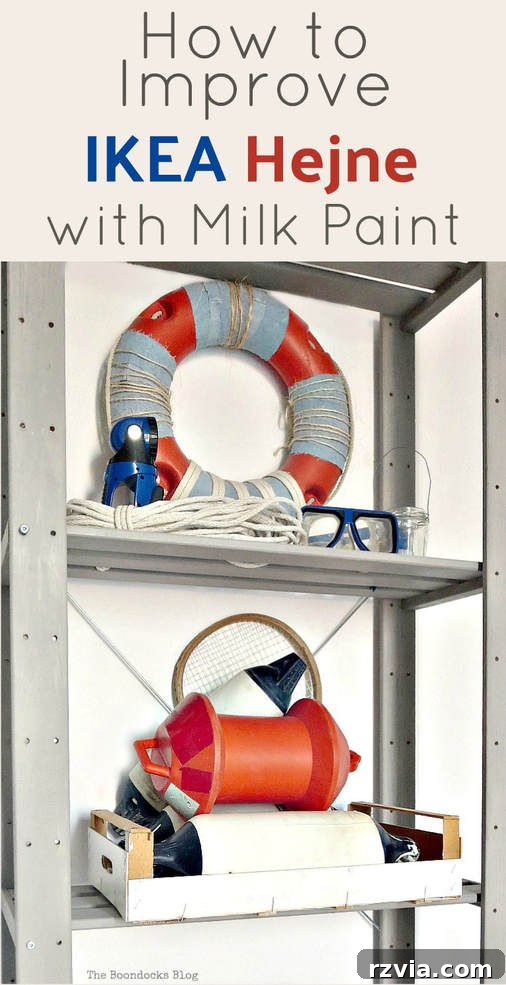
The IKEA HEJNE shelving unit, renowned for its untreated solid pine construction, offers a blank canvas for personalized home decor. Its natural wood finish provides the perfect foundation for painting, staining, or decorating to seamlessly blend with any interior design style. This comprehensive guide details a simple yet impactful DIY project to transform the basic HEJNE shelf into a stylish, custom piece, enhancing its aesthetic appeal and functionality within your living space. Discover how a few coats of paint and thoughtful styling can elevate this affordable IKEA staple into a beloved focal point.
Disclosure: This post features products that were provided as compensation. However, all opinions expressed here are entirely my own. I am committed to recommending only products I genuinely love and would confidently suggest to my readers.
My summer has been a whirlwind of activity, dedicated to an ambitious small apartment transformation project. While incredibly rewarding, tackling furniture refinishing during the sweltering heat of summer is certainly not for the faint of heart. The humidity and high temperatures can make tasks like sanding and painting exceptionally challenging, proving that sometimes, even the most passionate DIYer can pick the “worst time” for a project. Despite the obstacles, the vision for a refreshed living space kept me motivated, pushing through the heat to bring each piece to life.
You might recall some of the earlier endeavors from this apartment overhaul, such as the vibrant Happy Chairs and the charming Beach Table. Our visit to IKEA, initially for ordering a new kitchen (which is currently underway!), unexpectedly led me to discover the modest IKEA HEJNE shelf. Its untreated pine wood and compact size immediately sparked an idea. I envisioned it as the perfect candidate for a paint makeover, knowing I had just the right spot in our home for its revitalized presence. Its simple structure offered endless possibilities for customization, aligning perfectly with my desire to infuse personalized touches throughout our apartment.
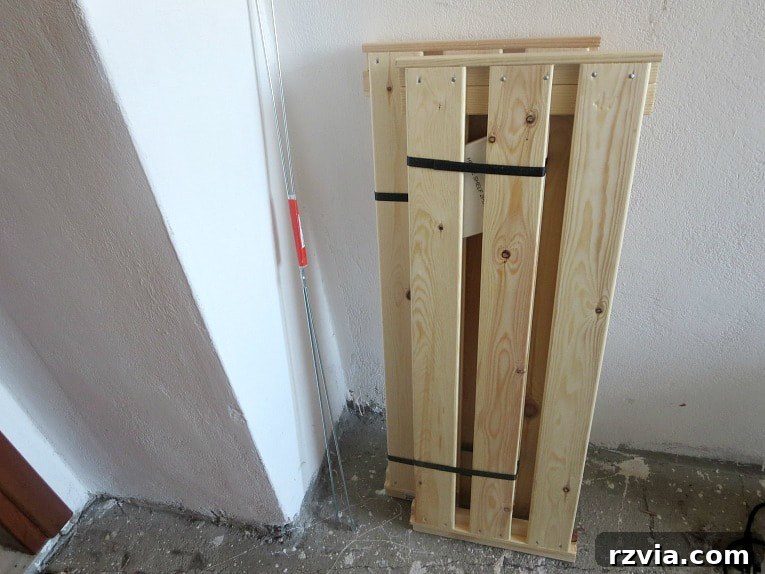
To fully appreciate the transformation, let’s start at the very beginning. The IKEA HEJNE shelf, upon unboxing, presents itself as a collection of straightforward components: four individual shelves, four tall vertical support pieces, a distinctive metal X-brace for structural integrity, and an assortment of necessary hardware. All pieces are crafted from raw, untreated pine, embodying IKEA’s minimalist and functional design philosophy. This simplicity is precisely what makes the HEJNE series such a popular choice for DIY enthusiasts looking to inject their own style into mass-produced furniture. The initial appearance is utilitarian, but its potential for customization is immense, offering a blank canvas for creative expression.
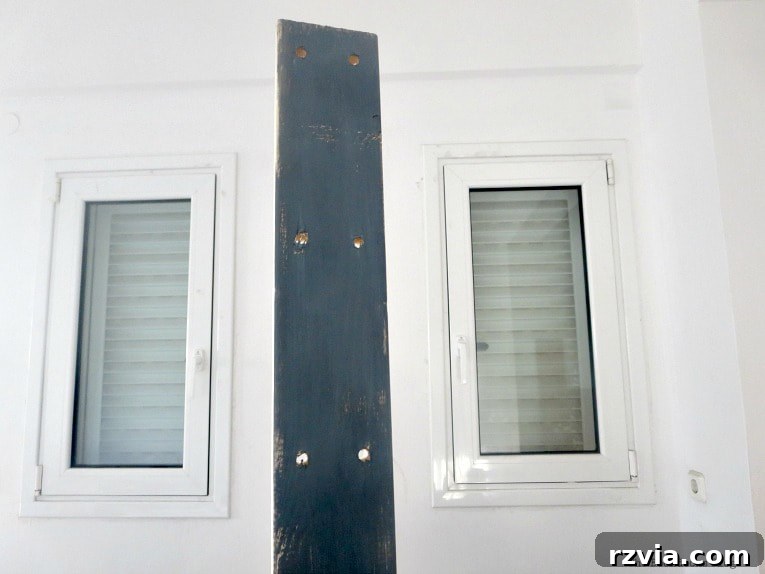
My initial painting attempt served as a valuable learning experience. I began by applying a light gray milk paint to a small section, aiming for a subtle, muted tone. However, I quickly discovered that milk paint, particularly on untreated softwood like pine, penetrates deeply and evenly, resulting in a much more solid and less translucent finish than I had anticipated. While the gray color itself was appealing, it wasn’t the distressed, wood-grain-revealing effect I was ultimately after. This meant a detour into sanding, a task made more challenging by the paint’s deep absorption. Fortunately, with diligent effort, most of the initial gray was successfully removed, bringing me closer to my desired aesthetic and alleviating my initial frustration.
Essential Materials for Your IKEA HEJNE Shelf Makeover
Disclosure: This post contains affiliate links designed for your convenience. Should you choose to purchase any of these recommended products via the links provided, we may earn a small commission at no additional cost to you. For comprehensive details, please refer to our full disclosure policy here.
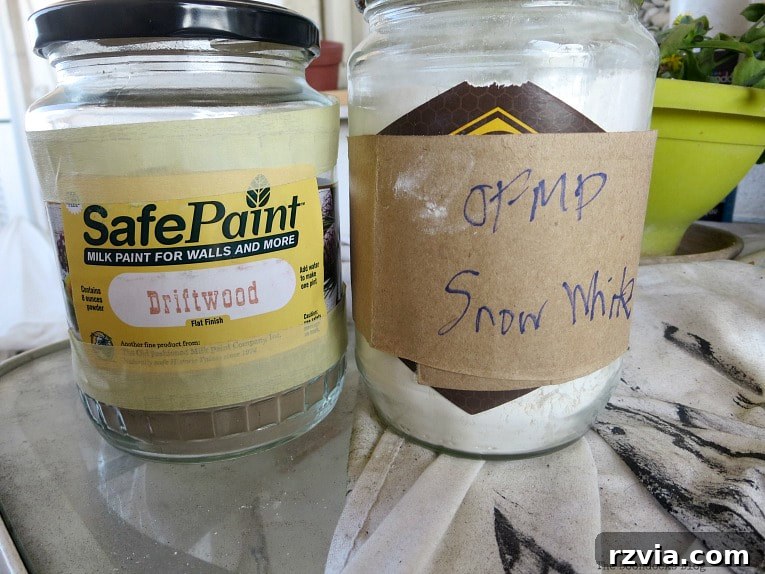
- Old Fashioned Milk Paint in Driftwood (Safepaint version)
- Old Fashioned Milk Paint in Snow White (Safepaint version)
- High-quality Paint Brush
- Fine-grit Sandpaper (220-grit recommended)
- Daddy Van’s All Natural Beeswax Furniture Polish
Milk paint, typically supplied in powder form within plastic bags, is most effectively stored and prepared in airtight jars. This practice not only preserves the paint’s freshness but also makes it easier to mix precise quantities and achieve consistent results for your DIY projects. Transferring the powder to jars simplifies the measuring process, allowing for better control over the paint-to-water ratio, which is crucial for achieving the desired consistency and finish.
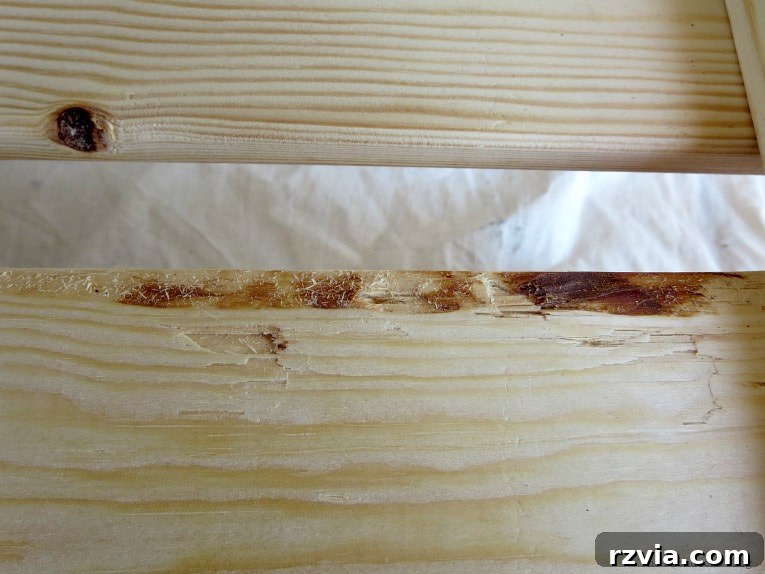
Let me be entirely transparent about the initial cost of this IKEA HEJNE shelf. I acquired it for what was an incredibly modest sum, approximately 20 Euros. And truly, you get what you pay for. As the close-up images reveal, the untreated softwood – likely pine or spruce – was far from perfect. It displayed various imperfections, including prominent knots, rough patches, and even some small grooves and splinters, characteristic of budget-friendly, raw lumber. However, these natural flaws were never a deterrent for my project. From the outset, I envisioned painting this shelf, transforming its utilitarian appearance into something far more refined and customized. I saw these imperfections not as drawbacks, but as inherent qualities of a genuine wooden piece, ready to be embraced and enhanced through the painting process. It was, in essence, a blank canvas awaiting its artistic treatment.
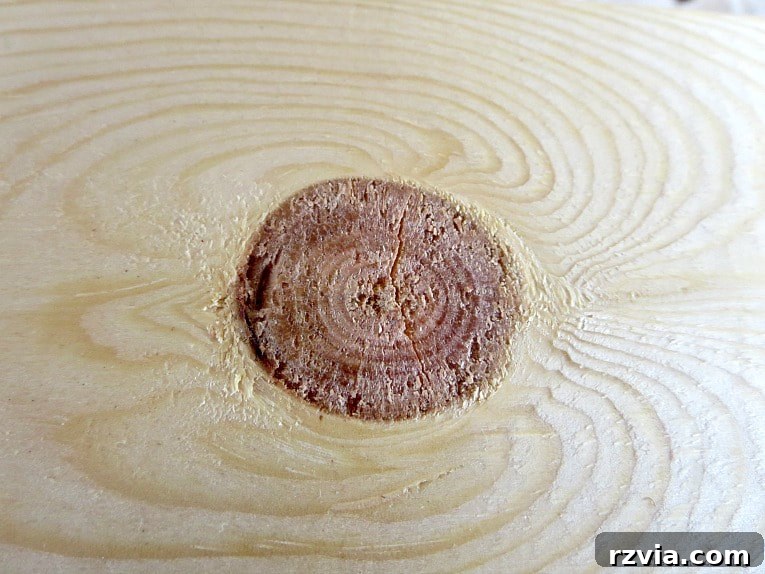
While I appreciate the natural beauty of raw wood as much as anyone, the condition of this particular HEJNE shelf was simply not going to work for my intended aesthetic or practical use. The surface was notably rough, prone to splinters, and exhibited several unrefined edges and minor cracks. This raw state, while authentic, wouldn’t provide the smooth, tactile finish I desired for a piece of furniture that would be frequently touched and styled. My goal was to create a piece that was not only visually appealing but also pleasant to interact with, free from the worry of getting splinters. Thus, a significant surface preparation and finishing process was essential to elevate its quality and integrate it seamlessly into our home decor.
Transforming Your IKEA HEJNE Shelf: A Step-by-Step Painting Guide
To achieve the desired coastal-inspired color, I carefully blended two shades of milk paint: Driftwood and Snow White. The process began by mixing the two powdered paints, gradually adding white to the darker driftwood shade until I reached a perfectly balanced, soft gray that evoked the muted tones of weathered seaside elements. Once the ideal color was achieved, I incorporated equal parts water into the mixture, stirring thoroughly until a smooth, lump-free consistency was formed. To ensure a slightly thinner application, which would allow for a more translucent effect, I added a tiny bit more water, creating a consistency that would glide effortlessly onto the untreated pine, rather than fully obscuring its natural grain.
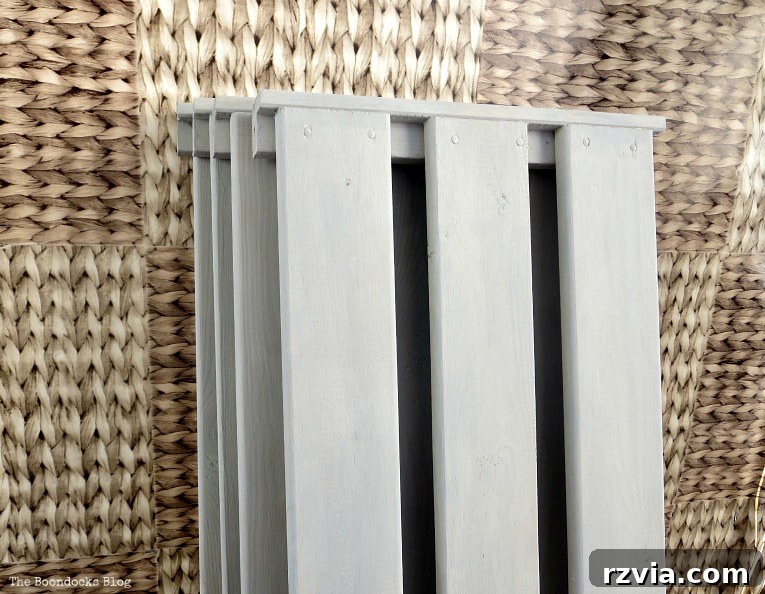
A deliberate choice was made during the mixing phase: I opted not to blend the paint components to absolute perfection. This intentional slight imperfection allowed some of the brighter white pigments to remain subtly visible, creating delicate streaks and variations within the overall color. I affectionately refer to this effect as a “saltwater look” – reminiscent of the subtle, bleached patterns left by sea spray and sun on aged wood. These white wisps add depth and character, preventing a monotonous, flat finish and contributing to the distressed, coastal aesthetic I was aiming for. It’s a small detail that makes a significant impact on the final visual texture of the piece, giving it a unique, handcrafted feel.
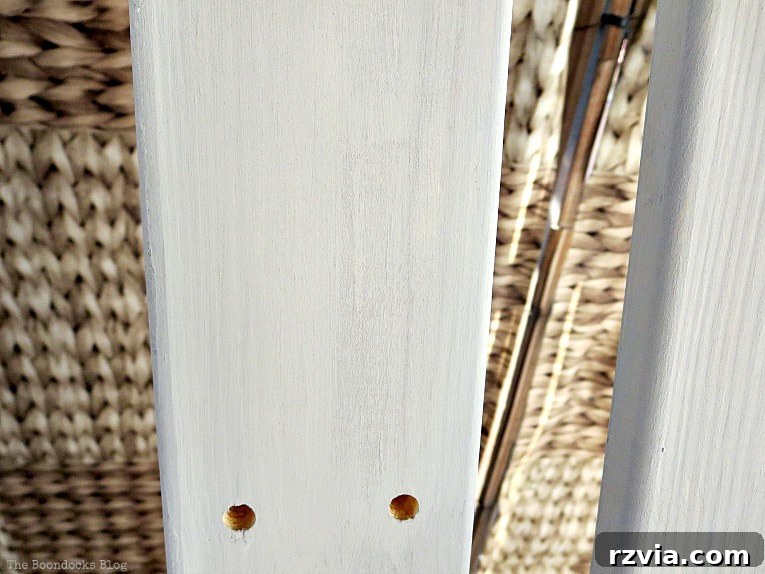
The painting process involved applying multiple thin coats, building up the color and texture gradually. After each coat of paint had thoroughly dried, I meticulously sanded the surface with fine-grit sandpaper. This crucial step served several purposes: it smoothed out any minor imperfections or raised wood grain, enhanced the paint’s adhesion for subsequent layers, and contributed to the desired weathered look by allowing subtle hints of the underlying wood to peek through. This iterative process of painting and sanding continued until I achieved the perfect level of coverage and a wonderfully soft, aged patina. In total, three thin coats of the custom-mixed milk paint were applied to all components of the IKEA HEJNE shelf, ensuring both durability and aesthetic depth.
Following the first coat, I adjusted the paint mixture by adding a bit more Snow White. This modification was a strategic move, as milk paint tends to deepen in color slightly once it’s completely dry. Furthermore, I accounted for the fact that the final sealant, typically a wax or topcoat, would also subtly darken the overall hue. By lightening the subsequent coats, I ensured that the finished piece would retain the light, airy, and softly distressed appearance I envisioned, even after all layers and the protective finish were applied. This careful color management throughout the process is key to achieving a consistent and beautiful result.
Even after multiple coats of milk paint, the subtle texture and captivating patterns of the original wood grain remained beautifully visible beneath the new color. This semi-transparent finish is a hallmark of milk paint and one of its most charming qualities, particularly when applied to untreated wood like the IKEA HEJNE shelf. Rather than creating an opaque, uniform surface, the paint delicately highlights the natural variations in the pine, allowing the character of the wood to shine through. This effect contributes significantly to the shelf’s rustic, yet refined aesthetic, making it feel less like a mass-produced item and more like a cherished, bespoke piece of furniture.
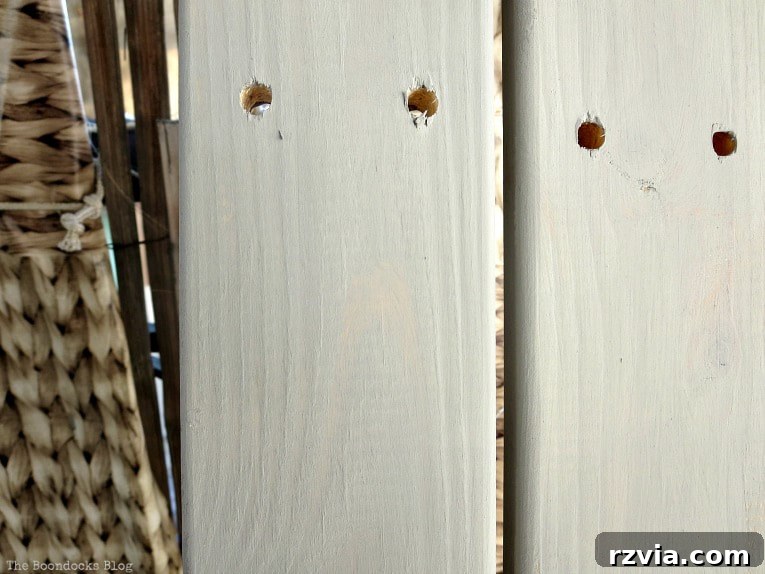
Adding a touch of distressing was the next creative step – because why not embrace a little character? While I usually lean towards cleaner finishes, I found myself channeling a “farmhouse chic” vibe for this project, a style I rarely pursue despite living on a farm! This phase involved carefully sanding certain edges and raised areas to simulate natural wear and tear, revealing glimpses of the raw wood beneath the paint. It was a delightful experiment in blending aesthetics, momentarily blurring the lines between the rustic charm of a farmhouse and the weathered elegance of a coastal, nautical theme. My brain might have been a bit “melted” by the summer heat when I started, but the outcome seamlessly merged these inspirations, proving that sometimes, delightful design happens in the beautiful confusion of creativity.
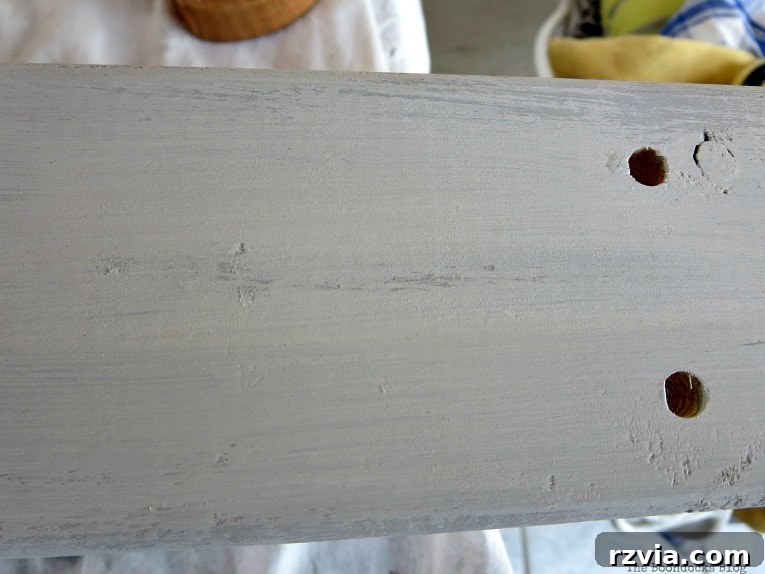
The culmination of the painting process was the application of a protective wax finish. Using Daddy Van’s All Natural Beeswax, I applied a generous layer evenly across all painted surfaces. This wax serves a dual purpose: it seals and protects the milk paint, creating a durable barrier against moisture and wear, and it profoundly enhances the depth and richness of the color. Immediately after application, and before it fully cured, I buffed off the excess wax with a clean, soft cotton cloth. The transformation was striking; the subtle gray tone instantly deepened, acquiring a richer, more saturated appearance that beautifully highlighted the distressed elements and wood grain. The wax not only imparted a beautiful sheen but also left the surface incredibly smooth and luxurious to the touch, a stark contrast to the rough, untreated pine.
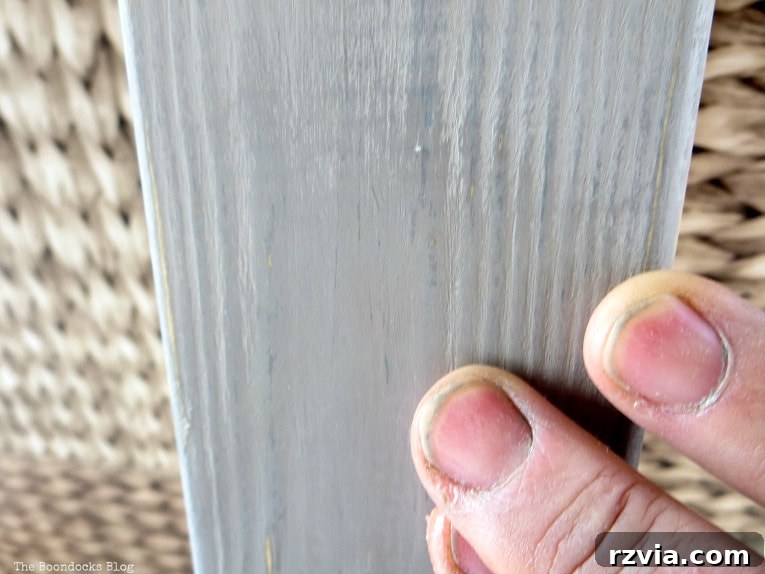
After allowing the wax to fully cure for a few days – a crucial step for maximum durability and hardness – the final task was assembling the IKEA HEJNE shelf. This part of the process was refreshingly straightforward and incredibly user-friendly. IKEA’s signature flat-pack design ensures that assembly is intuitive, with all necessary hardware and even a small, handy Allen wrench-type tool included. The thoughtful addition of plastic foot protectors for the base of the unit was a welcome detail, preventing floor scratches and adding stability. The only minor point of difficulty was attaching the metal X-brace to the back, which provides essential diagonal stability. A good tip for future assemblers: always ensure this brace is positioned towards the center of the unit for optimal balance and structural support, avoiding any wobbling.
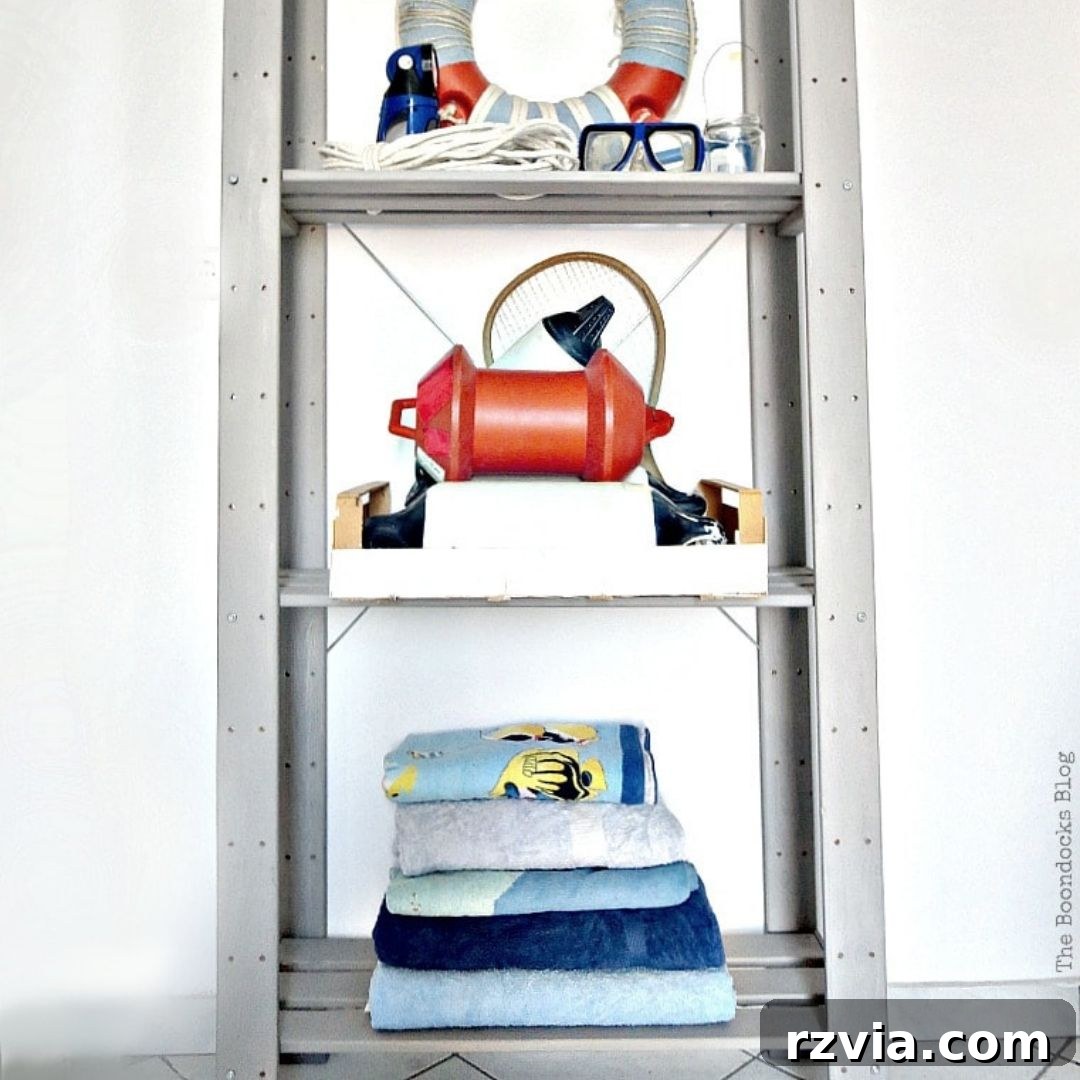
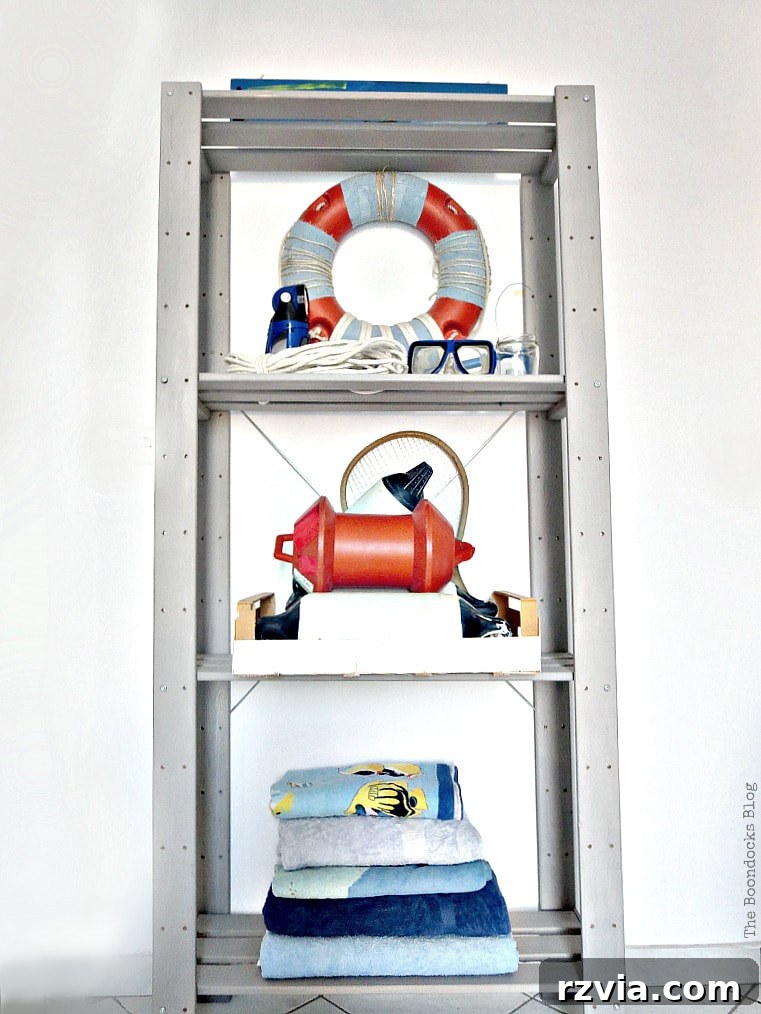
With the assembly complete, a touch of thoughtful styling was all that remained to truly bring the IKEA HEJNE shelf to life. This final flourish decisively resolved any lingering “farmhouse versus nautical” aesthetic dilemmas. By incorporating carefully chosen nautical-themed decor, the shelf seamlessly adopted a charming coastal persona, perfectly integrating into the apartment’s overall theme. Each decorative element was placed to enhance the shelf’s new character, transforming a simple piece of furniture into a curated display that tells a story of seaside charm and personal style.
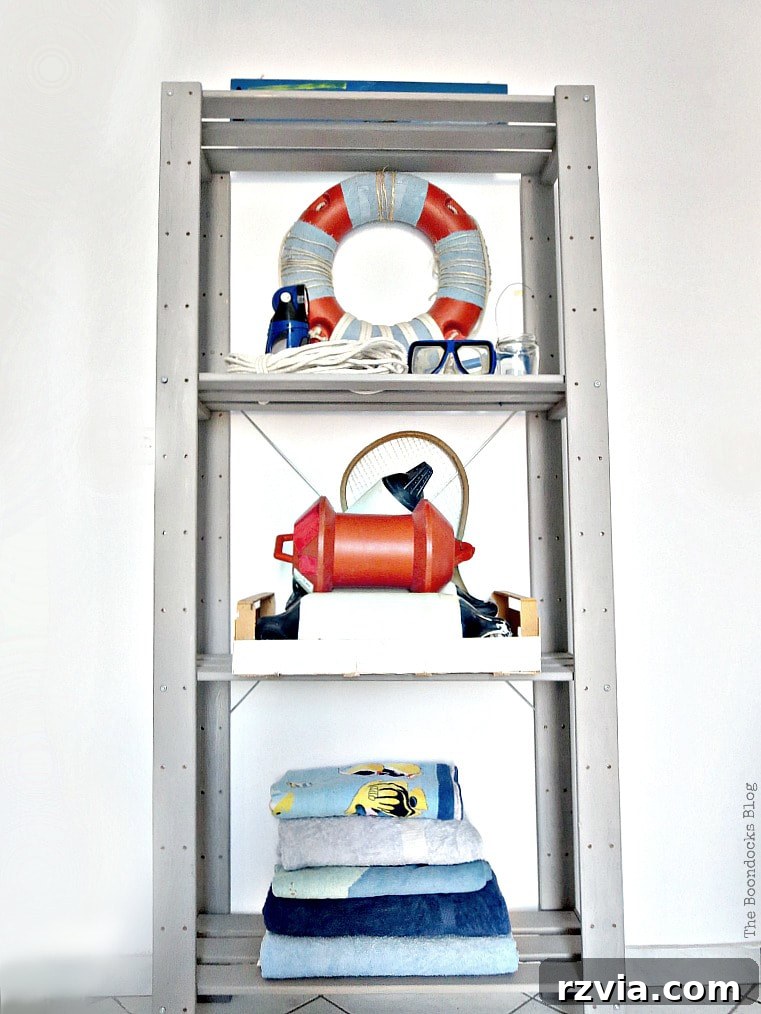
Please excuse the quality of some of these photographs. The lighting conditions in this particular room presented a significant challenge, casting numerous shadows that made it incredibly difficult to capture the true beauty and subtle nuances of this transformed shelving unit. While the images offer a glimpse, they unfortunately don’t fully convey the depth of color, the unique texture, or the overall charm that this DIY project brought to the IKEA HEJNE shelf. In person, the piece reveals so much more character and refined detail than what these photos can adequately represent.
Despite the photographic limitations, the finished product truly exceeded my initial expectations. The beautifully preserved wood grain, subtly peeking through the milk paint, adds an organic depth that I hadn’t originally envisioned. This effect, combined with the carefully selected paint color, creates a bespoke look that feels far more intentional and sophisticated than a plain, solid finish would have. The interplay of paint and natural wood grain provides a captivating visual texture, giving the shelving unit a unique character that truly enhances the room’s aesthetic.
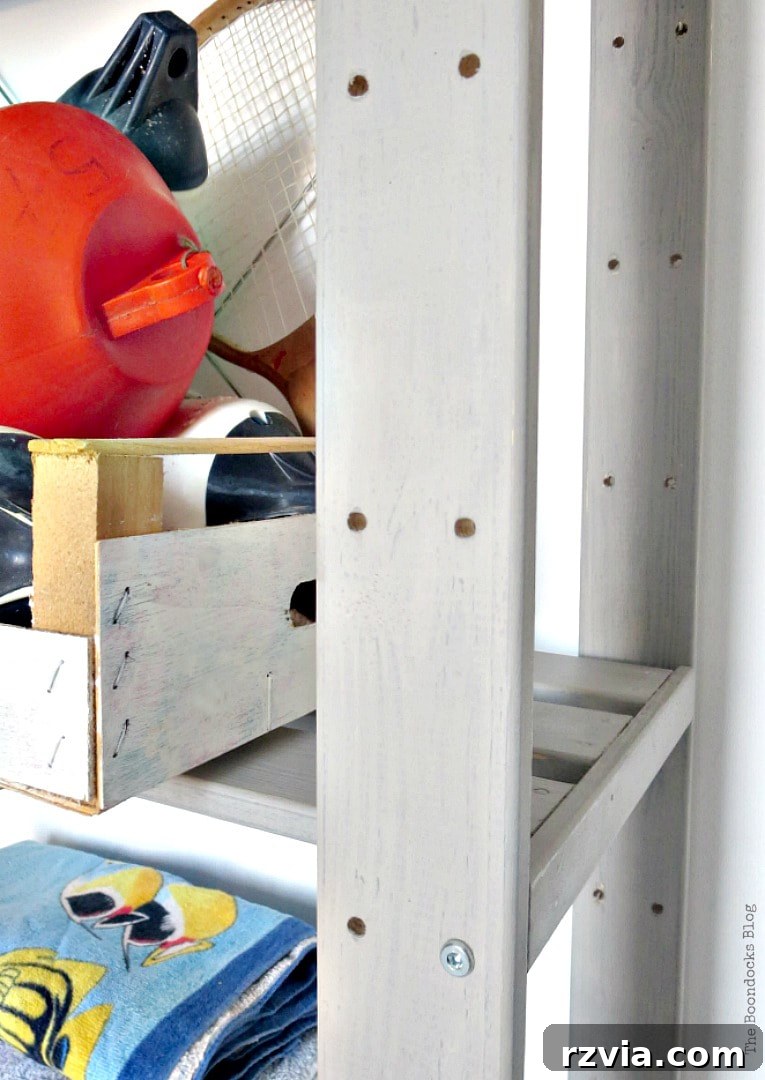
Initially, my plan had been to achieve a solid, uniform gray color, similar to the finish I created for my upcycled bookcases. However, as the project evolved, I found myself drawn to a more nuanced approach. The subtle variations created by allowing the wood grain to show through, combined with the deliberate “saltwater” streaks, resulted in a far more interesting and dynamic variation of gray. This decision proved to be a stroke of design intuition, as it successfully prevented the room from becoming “too matchy-matchy.” Instead of a uniform palette, the HEJNE shelf now adds a unique textural element, contributing to a layered and thoughtfully curated interior design that feels both cohesive and individually expressive.
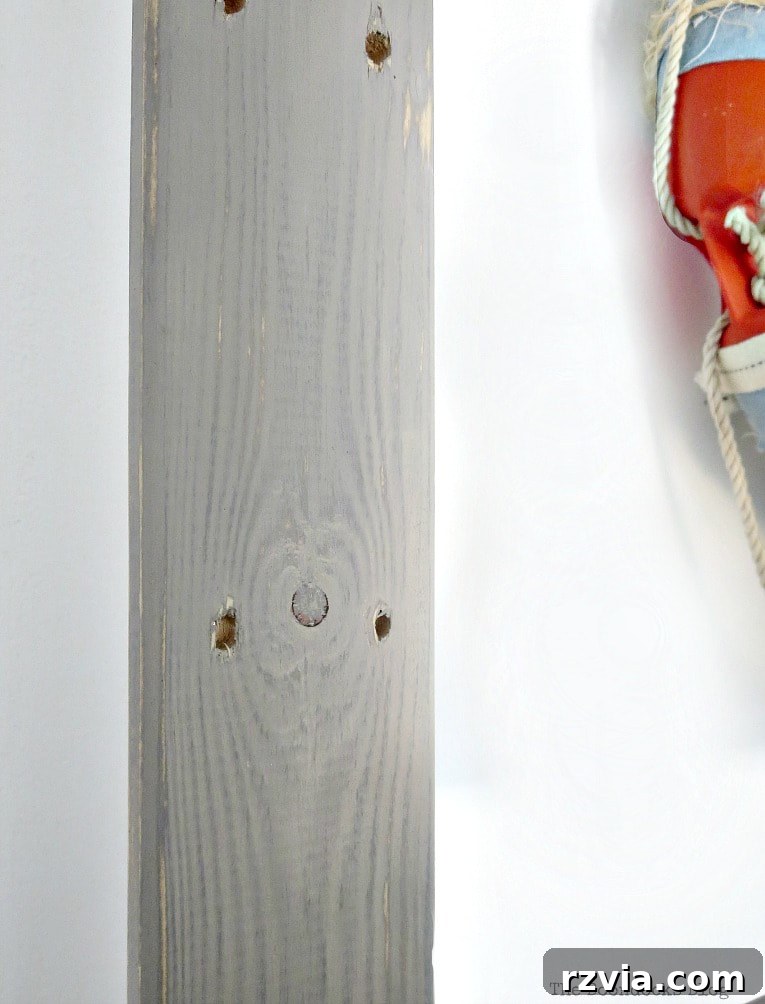
It’s worth noting that this particular IKEA HEJNE shelving unit is not particularly wide. While IKEA does offer a wider version, I consciously chose this narrower model to ensure optimal flow and ease of movement within our small apartment. The compact footprint of this specific unit allows for comfortable access to adjacent rooms, preventing any feeling of being cramped or restricted. In a smaller living space, every inch counts, and this deliberate selection underscores the importance of balancing aesthetic appeal with practical considerations to create a functional and harmonious environment. Its slender profile perfectly suits the designated corner without encroaching on vital pathways.
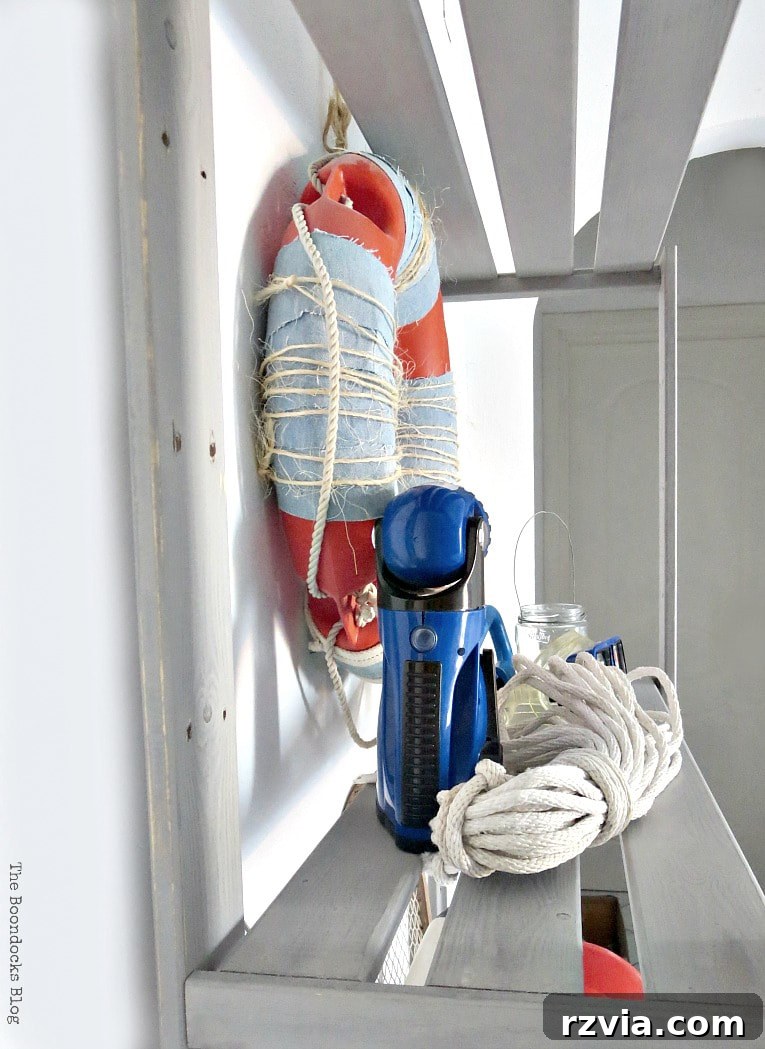
Here, a clearer glimpse reveals the delicate beauty of the wood grain, which gently peeks through the paint, adding an organic, aged character to the piece. And I simply must elaborate on the incredibly soft and smooth texture of the finished surface. I cannot emphasize enough how dramatically it has transformed from its original state. Remember those “before” photos, showcasing the raw, untreated wood with its rough texture and potential for splinters? Those concerns are entirely gone! The surface now feels remarkably smooth, almost like silk to the touch. It’s truly astonishing how a few simple steps can achieve such a luxurious and tactile finish, making the shelf not just visually appealing but also wonderfully pleasant to interact with.
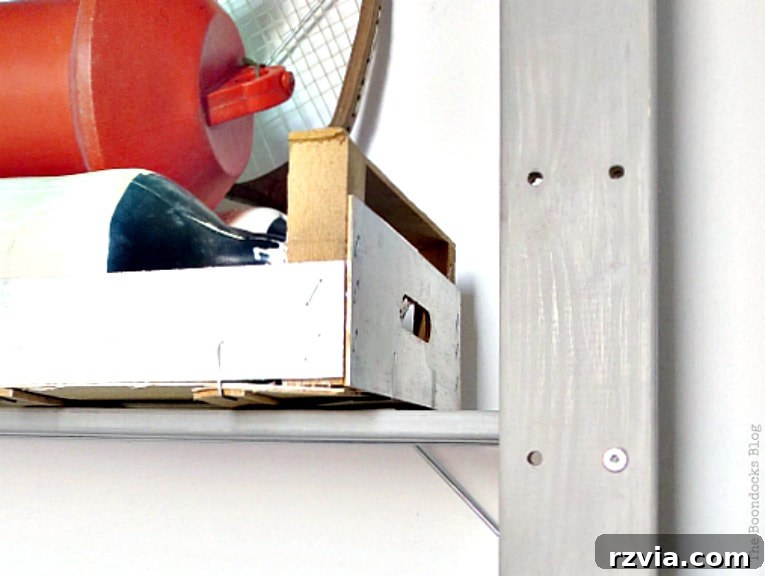
This particular detail captures some of the subtle white streaks that purposefully show through the layers of paint. The effect is truly captivating, creating an illusion of wood that has been beautifully aged by the elements, almost as if it has been kissed by saltwater over many seasons. This deliberate imperfection adds immense character and depth, contributing to the overall narrative of a weathered, coastal aesthetic. It’s a testament to how slight variations in application can yield wonderfully rich and authentic-looking results, transforming a simple shelf into a piece with a story.
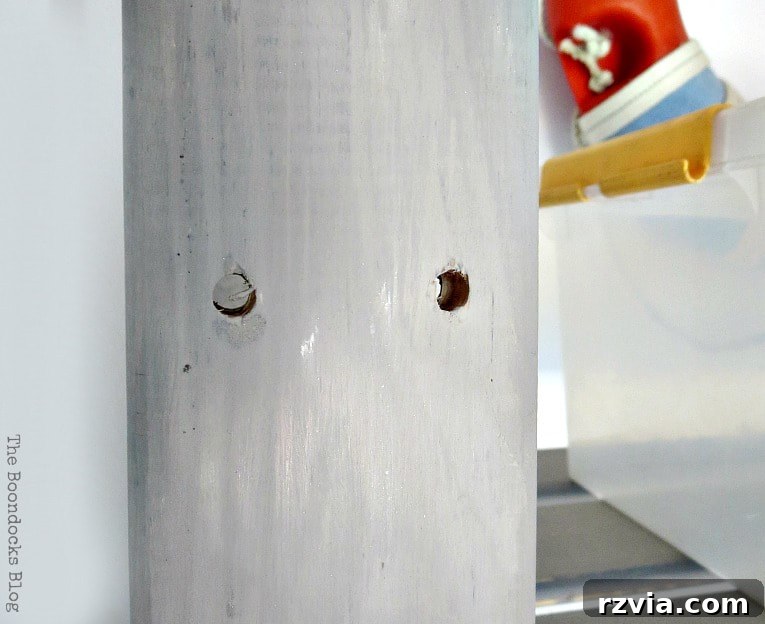
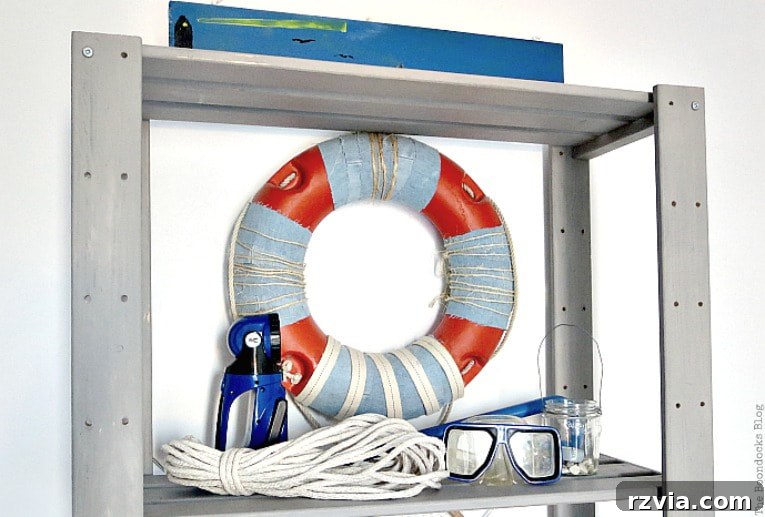
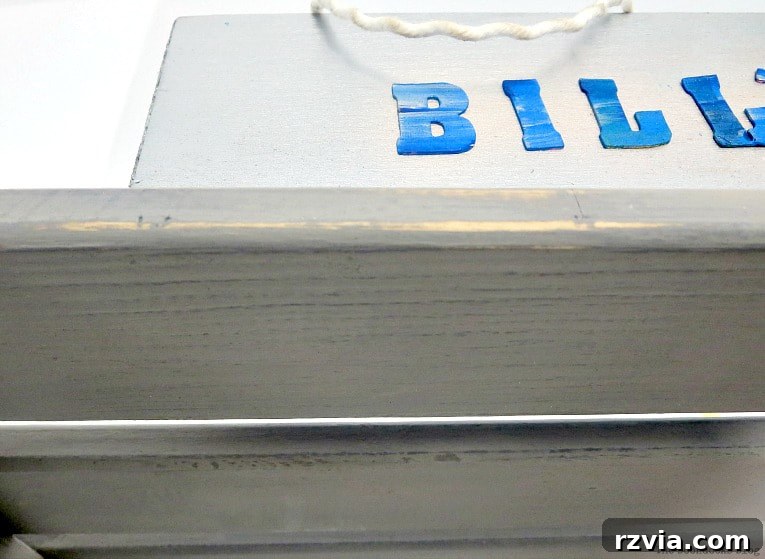
Here’s another perspective of the artfully distressed finish on the IKEA HEJNE shelf, offering a closer look at the intentional wear and tear that contributes to its aged charm. Perched elegantly on top is my husband’s beloved nautical sign, a perfect complement to the shelf’s new coastal aesthetic. This combination not only highlights the bespoke quality of the refinished shelf but also integrates a personal touch that speaks to our shared love for maritime themes. The distressed wood, combined with the rustic sign, creates a cohesive and inviting vignette, further enhancing the room’s character.
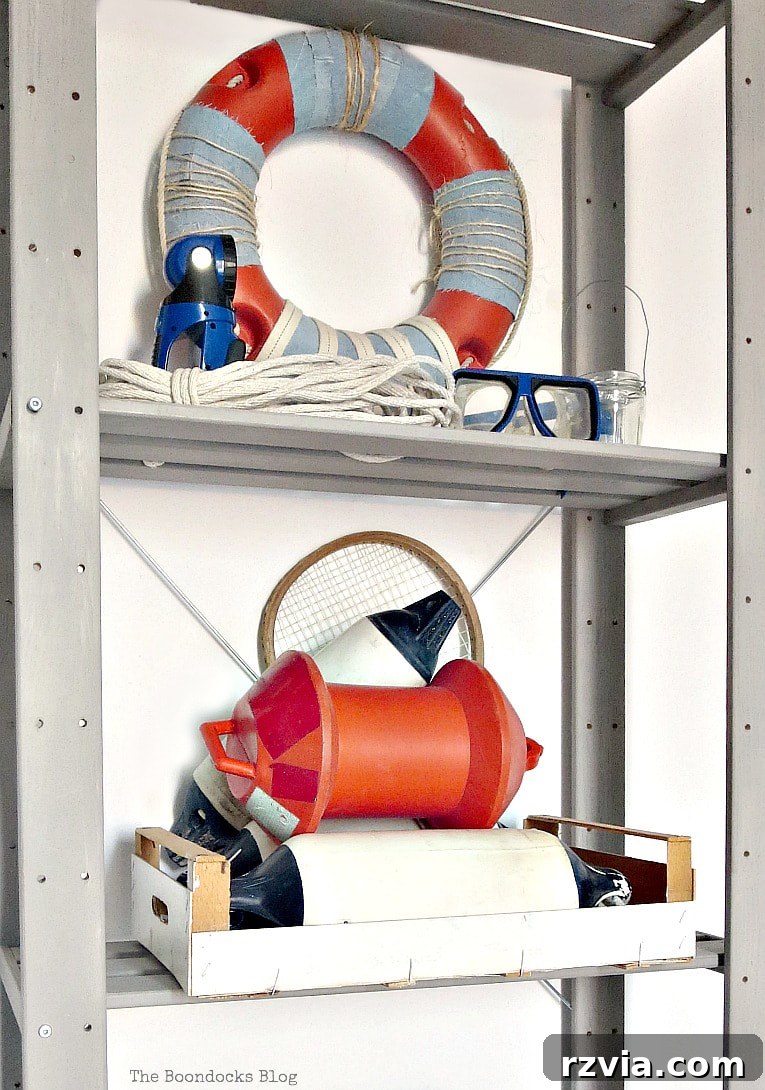
For those curious about the various items adorning the shelves, they are all treasured possessions belonging to my husband, who is an enthusiastic fisherman. Each piece tells a story, contributing to the rich, nautical theme of our home. Among them, the vintage life saver is particularly special; we discovered it washed ashore on the beach and carefully salvaged it. For now, it proudly graces the wall above the shelf, a constant reminder of our coastal adventures. However, knowing my husband’s deep connection to the sea, it wouldn’t be surprising if it finds its way onto his boat at a moment’s notice, ready for its next maritime journey. These personal touches truly make the shelf a unique and meaningful display.
While this shelving unit transformation required a significant investment of time and effort, the end result has proven to be incredibly rewarding. By choosing Old Fashioned Milk Paint and carefully applying the techniques described, I’ve successfully created a custom look that I am absolutely thrilled with. The finish is nothing short of exceptional – wonderfully smooth, almost like butter to the touch, and imbued with a unique character that far surpasses its original humble state. This DIY makeover represents a definite and dramatic improvement for the basic IKEA HEJNE shelf, elevating it from a simple storage solution to a stylish, personalized piece of furniture that perfectly complements our home’s aesthetic. It stands as a testament to the power of creative vision and the satisfaction of hands-on crafting.
Considering the remarkable transformation, I’m curious to hear your thoughts. Would you have opted for a uniform, solid color, or do you find the method of allowing the natural wood grain to subtly show through to be more appealing? Your perspective is always valued!